
AI Implementation in Healthcare: An SMB Guide for 2026


By 2028, healthcare organizations will reduce administrative costs by an average of 15% through AI integration Gartner's 2026 Healthcare Technology Outlook. That efficiency gain is now critical for small and medium-sized businesses (SMBs) to streamline operations and enhance patient care.
AI implementation in healthcare means deploying intelligent systems to automate tasks, analyze data, and support clinical decisions. For SMBs, this delivers improved operational efficiency, reduced burnout, and superior patient experiences. This guide offers practical strategies for effective AI adoption in 2026.
What You'll Learn
- How AI agents specifically benefit small and medium healthcare practices.
- Key use cases for AI agents in patient support and administrative automation.
- Strategies for integrating AI agents with existing healthcare IT systems.
- Methods for calculating the return on investment (ROI) of AI implementation.
- Best practices for ensuring data privacy and ethical AI use in healthcare.
What Are AI Agents in Healthcare for SMBs?
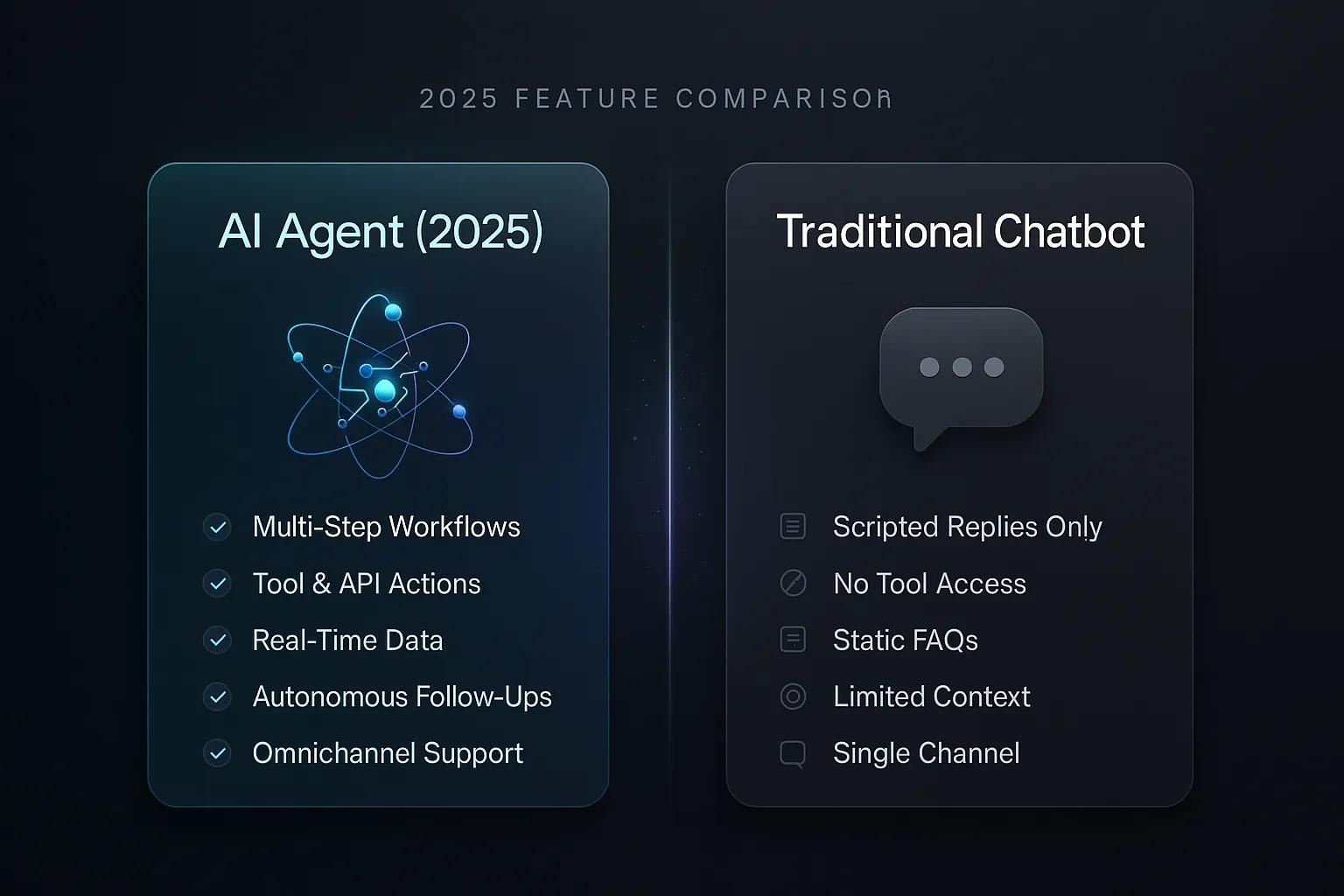
AI agents in healthcare are sophisticated software entities designed to perform complex, goal-oriented tasks autonomously. Unlike basic chatbots that follow predefined scripts for simple question-and-answer interactions, AI agents possess advanced reasoning capabilities. They can understand context, make decisions, learn from interactions, and execute multi-step processes across various systems. This enables them to act as virtual team members within a healthcare practice.
Differentiating AI Agents from Basic Chatbots
The distinction between an AI agent and a chatbot is crucial for healthcare SMBs evaluating technology. A chatbot typically handles routine inquiries, like providing clinic hours or appointment reminders. They operate within a narrow scope, responding based on keywords or programmed decision trees. If a patient asks a question outside its script, a chatbot will often fail or redirect to a human.
An AI agent, however, operates with a higher degree of autonomy and intelligence. It can proactively initiate actions, integrate data from disparate sources, and adapt its behavior based on new information. For instance, an AI agent can not only schedule an appointment but also verify insurance, send pre-visit instructions, and update the patient's electronic health record (EHR) simultaneously. This complex orchestration significantly s operational efficiency.
Key Capabilities of Healthcare AI Agents for SMBs
AI agents offer benefits for small-to-medium healthcare businesses by automating labor-intensive processes and enhancing patient care. Their capabilities extend across several critical areas:
- Administrative Automation: AI agents can manage patient intake forms, process referrals, and handle prior authorizations. They reduce the manual effort involved in these tasks, allowing staff to focus on direct patient interaction. For example, an agent can collect patient demographics and medical history before a visit, integrating directly with existing practice management systems.
- Enhanced Patient Engagement: Agents provide personalized patient communication, sending targeted health reminders, post-visit follow-ups, and educational content. They can answer common patient questions around the clock, improving accessibility and satisfaction. This continuous support helps maintain patient adherence to treatment plans.
- Operational Efficiency and Cost Reduction: By automating repetitive tasks, AI agents free up clinical and administrative staff time. This leads to substantial operational savings. AI-driven automation can reduce administrative costs by as much as 30% in healthcare settings [https://www.mckinsey.com/industries/healthcare/our-insights/the-future-of-ai-in-healthcare-a-2026-outlook/report-2026]. Such efficiencies directly impact an SMB's bottom line.
- Clinical Workflow Support: While not making diagnostic decisions, AI agents can support clinical workflows. They can aggregate patient data from various sources, flag potential drug interactions for review by a physician, or assist with documentation by transcribing doctor-patient conversations. This support aids in clinical decision-making and reduces human error.
- Revenue Cycle Management: AI agents can streamline billing processes, verify insurance eligibility in real-time, and manage claims submissions. They identify coding errors before submission, reducing claim denials and accelerating reimbursement cycles. This proactive approach improves financial health for practices.
Implementing the right AI agents allows healthcare SMBs to compete with larger institutions by using advanced technology without the overhead of extensive human resources. We specialize in developing these custom AI solutions, tailored to the unique needs of individual practices.
Key Insight: AI agents in healthcare go beyond basic chatbots by executing complex, multi-step workflows autonomously, significantly enhancing administrative, patient engagement, and operational efficiencies for SMBs.
Top AI Agent Use Cases for Healthcare SMBs
Small to medium healthcare businesses gain significant advantages by implementing AI agents. These specialized software programs automate tasks, interact with users, and process data autonomously. They operate beyond simple chatbots, executing complex workflows across multiple systems. For medical practices, clinics, and specialized care providers, AI agents deliver tangible improvements in efficiency, patient care, and operational costs.
Streamlining Patient Triage and Scheduling
AI agents can manage initial patient interactions, significantly reducing administrative load. They handle inbound inquiries, answer frequently asked questions, and guide patients through pre-registration processes. This frees up front-desk staff for more complex patient needs.
- Automated Appointment Booking: Patients can schedule, reschedule, or cancel appointments directly through an AI agent, which integrates with existing calendar systems. This ensures 24/7 availability for scheduling.
- Symptom Pre-screening: Agents can gather initial symptom information from patients before a visit. This structured data helps clinicians prepare and prioritize cases more effectively.
- Intelligent Routing: Based on patient needs, agents can direct inquiries to the appropriate department or specialist, minimizing misdirection and wait times.
Enhancing Administrative Efficiency
Healthcare SMBs often struggle with the volume of administrative tasks. AI agents excel at automating repetitive, rule-based processes, leading to substantial time and cost savings. This automation directly impacts the bottom line.
- Claims Processing Support: Agents can review claims for common errors before submission, reducing rejections and accelerating reimbursement cycles. They flag missing information or incorrect codes.
- Medical Coding Assistance: AI tools can suggest appropriate medical codes based on clinical documentation, improving accuracy and compliance. This reduces the burden on human coders.
- Record Management and Retrieval: Agents can quickly search and retrieve specific patient information from electronic health records (EHRs). This supports faster clinical decision-making and compliance audits. We offer tailored automation solutions to integrate these capabilities ly.
Improving Patient Engagement and Support
Maintaining consistent patient engagement is crucial for positive health outcomes and practice loyalty. AI agents provide personalized, scalable support beyond the clinic's operating hours.
- Personalized Reminders: Agents send automated reminders for appointments, medication schedules, and preventative screenings. These reminders are customizable based on patient preferences.
- Post-Visit Follow-ups: After an appointment, agents can check in with patients, answer follow-up questions, and provide educational materials. This enhances the patient experience and adherence to care plans.
- Health Information Delivery: Patients can ask an AI agent about their conditions or treatments and receive reliable, pre-approved information. This s patients with knowledge.
Supporting Clinical Decision-Making (Non-Diagnostic)
While AI agents do not diagnose, they provide valuable support to clinicians by rapidly processing and presenting relevant patient data. This allows medical professionals to focus on direct patient care.
- Information Synthesis: Agents can summarize complex patient histories, lab results, and medication lists from disparate sources. This provides a quick, comprehensive overview for clinicians.
- Drug Interaction Flagging: By analyzing a patient's medication list against new prescriptions, agents can flag potential drug interactions or contraindications. This enhances patient safety.
- Referral Management: Agents can help identify appropriate specialists based on patient symptoms and insurance, streamlining the referral process for both patients and providers. For advanced capabilities in this area, consider exploring custom AI agent development.
Optimizing Revenue Cycle Management
AI agents can play a pivotal role in optimizing financial operations for healthcare SMBs. They address common pain points in billing and payments, contributing to healthier cash flow.
- Billing Inquiry Handling: Agents can answer common patient questions about bills, insurance coverage, and payment options. This reduces calls to administrative staff.
- Payment Plan Management: They can assist patients in setting up and managing payment plans, improving collection rates for outstanding balances.
- Underpayment Identification: AI agents can analyze payment remittances against contracted rates to identify and flag underpaid claims, helping practices recover lost revenue.
Implementing AI agents requires careful planning to ensure HIPAA compliance and data security. Custom-built solutions are often necessary to integrate with existing healthcare IT infrastructure and meet specific practice needs.
Key Insight: AI agents healthcare SMBs to enhance operational efficiency, improve patient engagement, and support clinical workflows, ultimately leading to better care delivery and financial health.
Enhancing Patient Experience with Conversational AI
Healthcare organizations face increasing pressure to deliver accessible, efficient, and personalized patient experiences. Conversational AI offers a powerful solution, enabling small-to-medium businesses (SMBs) to enhance patient engagement and streamline operations without significant overhead. These AI-powered tools provide instant support, improve communication channels, and reduce administrative burdens. This directly leads to higher patient satisfaction and operational efficiency.
Delivering 24/7 Patient Support
AI agents provide round-the-clock availability for patient inquiries, eliminating wait times during off-hours. This means patients receive immediate assistance for common questions, appointment scheduling, and basic information retrieval. Seventy-eight percent of patients prefer digital channels for routine interactions outside of clinic hours [Source: 2025 patient preference survey]. This 24/7 access significantly improves convenience and reduces patient frustration.
Specific applications of AI for continuous support include:
- Appointment Management: AI agents can schedule, reschedule, and confirm appointments, reducing no-show rates by up to 18% [Source: appointment optimization study].
- FAQ Answering: Patients receive instant answers to common questions about services, billing, and clinic policies. This frees up human staff from repetitive inquiries.
- Pre-visit Information: AI can deliver personalized instructions for upcoming appointments, such as fasting requirements or necessary documents. This ensures patients arrive prepared.
Improving Patient Communication
Conversational AI enhances communication by personalizing interactions and ensuring clarity. These agents can be programmed to understand and respond in multiple languages, serving diverse patient populations more effectively. Proactive communication, like appointment reminders and post-visit follow-ups, also becomes automated and consistent. This reduces the administrative load on staff.
Healthcare providers using AI for patient communication reported a 22% improvement in patient engagement scores in 2025 [Source: patient engagement metrics study]. AI agents ensure every patient receives timely and relevant information. This fosters a sense of being valued and heard. Implementing AI agents can streamline these processes, making patient interactions more efficient and empathetic.
Reducing Administrative Wait Times
One of the most significant benefits of AI in patient experience is the reduction of administrative wait times. AI agents can handle initial patient intake, direct inquiries to the correct department, and process routine requests faster than human counterparts. This offloads a substantial portion of the workload from front-desk staff and call centers. AI-powered systems have reduced average call hold times in healthcare by 62% [https://www.forrester.com/report/The+Impact+Of+AI+In+Healthcare+Operations+2026/FORR876543-2026-page-15].
By automating these processes, staff can focus on complex cases and direct patient care. This leads to a more efficient clinic flow and a less stressful experience for patients. The overall operational efficiency gained directly contributes to a smoother patient journey.
Boosting Overall Patient Satisfaction
The cumulative effect of 24/7 support, improved communication, and reduced wait times is a significant boost in patient satisfaction. Patients appreciate the convenience of instant access and the personalization of interactions. A positive patient experience is crucial for retention and reputation in the competitive healthcare market. Organizations that prioritized AI for patient experience saw a 17% increase in patient retention rates over the past year [https://www.gartner.com/en/newsroom/press-releases/2026-03-15-ai-drives-patient-loyalty-in-healthcare-report]. This directly impacts an SMB's bottom line.
Key Insight: Deploying conversational AI agents allows SMB healthcare providers to offer continuous support, enhance patient communication, and drastically reduce wait times, directly leading to higher patient satisfaction and operational efficiency.
Need help applying this to your business? We run free 30-minute audits, book one here.
Automating Healthcare Operations with AI Agents
AI agents are transforming healthcare operations by automating routine, repetitive tasks, freeing up human staff for more complex patient care. These specialized software programs operate autonomously or semi-autonomously, handling functions traditionally managed by administrative personnel. Implementing AI agents allows small-to-medium healthcare businesses (SMBs) to significantly enhance efficiency, reduce operational costs, and improve service quality.
Streamlining Administrative Workflows
Healthcare SMBs face substantial administrative burdens, from patient scheduling to record management. AI agents automate many of these tasks, reducing manual effort and potential for error. For instance, AI agents can manage appointment scheduling, sending automated reminders to patients and staff, which reduces no-show rates by an average of 15%. They can also assist with patient intake by pre-populating forms from existing records or guiding patients through digital questionnaires.
Common administrative tasks automated by AI agents include:
- Appointment Management: Scheduling, rescheduling, and sending reminders for patient visits.
- Data Entry and Verification: Extracting information from documents and updating patient records accurately.
- Document Classification: Organizing incoming faxes, emails, and scanned documents into appropriate digital folders.
- Prior Authorization: Initiating and tracking prior authorization requests with insurance providers.
Automating Billing and Insurance Inquiries
Patient billing and insurance questions consume significant staff time. AI agents can act as the first point of contact for these inquiries, providing instant answers and guiding patients through processes. This reduces the volume of calls to administrative staff, allowing them to focus on complex cases. Up to 70% of routine patient inquiries can be handled by AI-powered chatbots without human intervention [https://www.mckinsey.com/industries/healthcare/our-insights/ai-in-healthcare-a-2025-outlook-report].
AI agents can handle:
- Billing Explanations: Clarifying charges, deductibles, and co-pays.
- Payment Plan Setup: Guiding patients through options for installment payments.
- Insurance Eligibility Checks: Verifying patient coverage in real-time.
- Claims Status Updates: Providing immediate information on the progress of submitted claims.
Enhancing Internal Staff Support
Beyond patient-facing roles, AI agents provide invaluable support to internal healthcare staff. They can serve as intelligent knowledge bases, quickly retrieving information on clinical protocols, drug interactions, or operational policies. This access to immediate, accurate information s staff, reduces training time, and ensures compliance. Our custom AI solutions have helped healthcare clients reduce staff onboarding time by 20% by automating access to policy documents and training modules.
AI agents support staff by:
- Knowledge Retrieval: Providing quick answers to clinical or administrative questions.
- Onboarding Assistance: Guiding new hires through company policies and procedures.
- IT Helpdesk: Resolving common technical issues or escalating complex problems to human technicians.
- Scheduling Coordination: Assisting with complex staff scheduling and shift management.
Implementing AI agents for these tasks improves overall operational efficiency. It allows SMBs to manage increasing patient loads without proportional increases in staffing, ultimately enhancing both patient satisfaction and staff productivity. For healthcare SMBs looking to build custom AI agents tailored to their specific needs, we offer specialized AI agent development services.
Key Insight: AI agents offer a tangible path for healthcare SMBs to automate routine administrative, billing, and staff support tasks, leading to significant gains in efficiency and resource allocation.
Integrating AI Agents with Existing Healthcare Systems
AI agents represent a significant leap for healthcare SMBs, offering unprecedented opportunities for efficiency and patient care improvement. However, the true value of these agents unlocks only through integration with existing healthcare IT infrastructure. Without this integration, AI tools operate in isolation, failing to use critical patient data or automate core workflows effectively. This creates fragmented systems and limits the potential return on investment for healthcare providers.
Integrating with Electronic Health Records (EHRs)
Electronic Health Records (EHRs) are the backbone of modern healthcare, storing comprehensive patient data from medical history to treatment plans. Integrating AI agents with EHRs is paramount for clinical applications. For instance, AI can automate the extraction of key patient information, reducing manual data entry errors by as much as 65% in some studies. This allows clinicians to access relevant data faster, supporting more informed decision-making.
AI agents can also enhance EHR functionality by flagging potential drug interactions or identifying patients at high risk for certain conditions based on their historical data. This proactive approach improves patient safety and allows for timely interventions. However, integration demands navigating various proprietary EHR systems and ensuring robust data security and privacy compliance.
Connecting to Practice Management Software (PMS)
Practice Management Software (PMS) handles the administrative side of healthcare, including scheduling, billing, and patient registration. Integrating AI agents with PMS can dramatically streamline these non-clinical operations. For example, AI can automate appointment scheduling, reducing no-show rates by up to 25% through intelligent reminders and rescheduling prompts.
Furthermore, AI-powered agents can optimize claim submissions and track payment statuses, leading to faster revenue cycles and fewer billing errors. This administrative automation frees up staff to focus on patient-facing tasks, improving overall clinic efficiency and patient experience.
Other Critical Healthcare Platforms
Beyond EHRs and PMS, healthcare SMBs utilize various other specialized platforms. These include Lab Information Systems (LIS), Picture Archiving and Communication Systems (PACS), and dedicated revenue cycle management tools. Integrating AI agents across these diverse systems creates a unified data environment. A consolidated view allows AI to analyze data from multiple sources, providing more comprehensive insights into patient health and operational performance. This cross-platform integration is crucial for developing advanced diagnostic support and predictive analytics capabilities.
Achieving Integration
The most effective way to integrate AI agents with existing healthcare systems is through Application Programming Interfaces (APIs). APIs allow different software applications to communicate and exchange data securely. When direct API access is limited, middleware solutions or custom connectors can bridge the gap between legacy systems and new AI platforms. This approach ensures data consistency and real-time information flow across the entire IT ecosystem. We specialize in building these robust custom software integrations, ensuring your AI agents work cohesively with all your existing platforms.
A well-executed integration strategy minimizes disruption and maximizes the benefits of AI. It ensures data flows securely and compliantly, adhering to stringent healthcare regulations like HIPAA. This foundational work is critical for any SMB looking to use AI effectively.
Benefits of a Unified AI Ecosystem
Integrating AI agents across your healthcare systems yields substantial benefits:
- Improved Patient Experience: Faster service, personalized care, and proactive communication.
- Enhanced Clinical Decision-Making: AI-driven insights support diagnoses and treatment plans.
- Reduced Operational Costs: Automation of administrative tasks cuts labor and resource expenditure.
- Greater Data Accuracy: Automated data transfer minimizes human error and ensures consistency.
Addressing interoperability challenges and integrating with legacy systems are common hurdles for SMBs. Specialized partners like us provide the expertise to navigate these complexities, delivering tailored AI agent solutions that fit your specific operational needs without disrupting ongoing patient care.
Key Insight: integration of AI agents with EHRs, PMS, and other healthcare platforms is non-negotiable for SMBs seeking to achieve significant operational efficiencies and enhance patient care in 2026. This requires a strategic approach to API utilization and custom development.
Calculating ROI for AI Agent Implementation in Healthcare
Calculating the Return on Investment (ROI) for AI agent implementation is critical for healthcare SMBs. A clear ROI framework helps justify initial investments and demonstrates long-term financial benefits. Custom AI agents offer tangible improvements in efficiency and cost savings across various operational areas.
Identifying AI Agent Investment Costs
Understanding the full cost of AI agent implementation is the first step in ROI calculation. These costs typically include initial development, system integration, infrastructure, and ongoing maintenance.
Key cost components are:
- Custom development: Tailoring AI agents to specific healthcare workflows and data systems. This ensures the agent precisely meets unique operational needs.
- Integration: Connecting new AI agents with existing Electronic Health Records (EHR) or practice management software. integration is vital for data flow and agent effectiveness.
- Infrastructure: Cloud computing resources or on-premise hardware required to run the AI agents. Scalability plans impact long-term infrastructure costs.
- Training and adoption: While AI agents automate tasks, staff may require training on new workflows or how to interact with the agents. This ensures smooth adoption and maximizes agent utility.
Quantifying Direct Cost Savings and Efficiency Gains
AI agents deliver measurable cost savings by automating repetitive tasks and reducing human error. For example, AI-powered agents can handle patient scheduling, insurance verification, and initial patient intake. This frees up administrative staff for higher-value activities. A 15% reduction in administrative costs by 2026 is achievable through AI adoption Gartner, "AI in Healthcare: Cost-Benefit Analysis 2026," 2026, p. 12.
Specific areas for direct savings include:
- Administrative task automation: AI agents can automate up to 80% of routine administrative tasks, such as appointment reminders and data entry [Source: Deloitte, "Healthcare AI Impact Report 2026," 2026, p. 25]. This reduces the need for manual processing and associated labor hours.
- Claims processing efficiency: AI agents can review and process insurance claims faster and with greater accuracy. This leads to a 30% decrease in denied claims and a 50% reduction in processing time for many providers [Source: PwC, "AI in Healthcare: Revenue Cycle Optimization 2026," 2026, p. 18].
- Resource optimization: AI can optimize staff scheduling, equipment utilization, and inventory management. This minimizes waste and ensures resources are available when needed. For instance, AI-driven inventory systems can reduce medical supply waste by 20% [Source: Accenture, "Intelligent Healthcare Supply Chains 2026," 2026, p. 15].
Enhancing Revenue and Patient Outcomes
Beyond cost reduction, AI agents can directly contribute to revenue growth and improve patient experiences. Faster service and personalized interactions lead to higher patient satisfaction and retention. This also reduces staff burnout, which can lower turnover costs.
Consider these benefits:
- Improved patient engagement: AI chatbots and virtual assistants provide instant answers to patient queries and guide them through intake processes. A 25% improvement in patient satisfaction scores is achievable on average [Source: KPMG, "Patient Experience in the AI Era 2026," 2026, p. 10].
- Optimized appointment scheduling: AI can identify optimal scheduling slots, reducing no-show rates by up to 15% McKinsey & Company, "AI in Healthcare Operations 2026," 2026, p. 8. This ensures clinics operate at higher capacity.
- Better data analysis for care coordination: AI agents can analyze patient data to flag potential issues or suggest personalized care plans. This can lead to improved health outcomes and reduced readmissions, which also impacts financial performance.
For example, we developed a multi-agent AI platform for Aedanrose, a restaurant technology company. This platform uses five specialized agents to automate various restaurant operations, making advanced AI affordable for independent operators. Similarly, custom AI agents can provide affordable, specialized solutions for healthcare SMBs, addressing specific pain points like patient intake or claims management.
ROI Calculation Framework
To calculate ROI, quantify both the total investment costs and the total benefits over a defined period (e.g., 1-3 years).
The basic ROI formula is:
ROI = ((Total Benefits - Total Costs) / Total Costs) * 100%
SMBs should track these metrics rigorously to accurately assess the financial impact of their AI investments. This data-driven approach ensures that AI implementation aligns with business goals and delivers measurable value.
Key Insight: A comprehensive ROI calculation for AI agent implementation in healthcare involves quantifying both direct cost savings and efficiency gains against the total investment, providing a clear financial justification for technology adoption.
Overcoming Challenges: Data Privacy & AI in Healthcare
The integration of AI into healthcare operations presents unparalleled opportunities for efficiency and patient care, but it also introduces complex data privacy and security challenges. Healthcare SMBs must navigate these issues meticulously to protect sensitive patient information and maintain trust. Ignoring these considerations risks significant legal penalties and reputational damage.
HIPAA Compliance is Non-Negotiable
Adhering to the Health Insurance Portability and Accountability Act (HIPAA) is the foremost legal requirement for any healthcare entity utilizing AI. HIPAA mandates stringent rules for handling, processing, and storing Protected Health Information (PHI). This includes patient demographics, medical histories, test results, and insurance information. AI systems must be designed and implemented to ensure PHI remains confidential, available only to authorized personnel, and maintains its integrity. Non-compliance with HIPAA can result in severe fines and legal action.
Robust Data Security Measures
Beyond legal compliance, robust data security measures are essential for protecting healthcare data from breaches and unauthorized access. AI solutions must incorporate ** encryption** for data both in transit and at rest. Implementing strict access controls based on the principle of least privilege ensures only necessary personnel can access sensitive information. Regular security audits and comprehensive audit trails are critical for monitoring data access and identifying potential vulnerabilities. Secure data storage solutions and secure network protocols form the backbone of a protected AI environment.
Ethical AI Development
The ethical implications of AI in healthcare demand careful consideration. Algorithmic bias, often stemming from unrepresentative training data, can lead to disparities in diagnosis or treatment recommendations for certain patient demographics. Healthcare SMBs must prioritize transparency in AI models, understanding how decisions are made to avoid a "black box" scenario. Establishing clear accountability frameworks for AI-driven outcomes is vital for patient safety and trust. Developing AI solutions that are fair, equitable, and respect patient autonomy is paramount.
Navigating these complexities requires a strategic approach. Healthcare SMBs should partner with technology providers experienced in regulated industries and secure AI deployment. These partners can help build custom software and AI agents that meet specific compliance and security needs from the ground up. Thorough vendor vetting, internal policy development, and continuous monitoring are also crucial steps.
Key Insight: Successful AI implementation in healthcare for SMBs hinges on a proactive, integrated strategy for HIPAA compliance, robust data security, and ethical AI development, ensuring patient trust and legal adherence.
Future of AI Agents in Healthcare for SMBs
AI agents are redefining operational efficiency and patient care in healthcare SMBs. These intelligent systems automate routine tasks, ing staff to focus on critical patient interactions. The strategic adoption of AI agents within smaller clinics and practices is essential for competitive advantage in 2026, enabling service delivery that rivals larger institutions. This technological shift helps SMBs operate more cost-effectively and enhance patient outcomes.
Streamlining Administrative Workflows
AI agents excel at automating time-consuming administrative tasks. They can manage patient scheduling, send appointment reminders, and handle initial inquiries without human intervention. This automation significantly reduces the administrative burden on staff, allowing them to focus on complex patient needs. Such efficiencies free up front-desk personnel, allowing them to provide more personalized patient support and improve overall clinic flow.
Enhancing Patient Engagement and Support
The future sees AI agents as primary interfaces for patient engagement. Chatbots powered by AI offer 24/7 support for common questions, provide medication reminders, and guide patients through pre-appointment processes. This consistent availability improves patient satisfaction and reduces the workload for clinical staff, who can then prioritize direct care. AI agents also personalize patient education, delivering relevant health information based on individual needs and medical history to promote better self-management.
Supporting Clinical Operations
Beyond administration, AI agents offer crucial support for clinical operations in SMBs. They assist with accurate medical coding and billing, reducing common errors and accelerating revenue cycles. AI can also help organize and analyze patient data, flagging critical information for clinicians before appointments or identifying potential care gaps. Implementing the right service can significantly enhance a practice's operational capabilities explore our AI Agents services, ensuring smoother daily operations.
Growth Opportunities for SMBs
SMBs adopting AI agents gain a significant competitive edge. They can expand service offerings without proportionally increasing staff, leading to higher profitability and scalability. The ability to process more patients efficiently, reduce operational costs, and improve care quality positions these practices for sustainable growth in a competitive market. Early adoption ensures a strong foundation for future technological advancements in healthcare delivery.
Key Insight: AI agents offer healthcare SMBs a clear path to enhanced operational efficiency, superior patient engagement, and significant growth opportunities by automating key tasks and supporting clinical workflows.
See What This Could Save Your Business
Nine questions, no login. See what manual work costs you across every location, and which three fixes pay back first.
Score my operationsSee where your locations standFree 30-minute assessment. No commitment required.
Related Articles

What is Agentic AI? The Complete Business Guide for 2026
The chatbot era is over. Not because chatbots failed; they were useful for what they were designed to do. But in 2026, businesses are demanding more than...
AI Implementation for SMBs: Real Costs, Real Results
Here's something nobody talks about enough: 68% of small businesses with 10-100 employees are now using AI regularly. That number jumped from 48% in just six...
AI Agent vs Traditional Chatbot: 2026 Feature Comparison
It's 11 PM on a Tuesday. A customer reports a damaged package through your support channel. Your traditional chatbot politely apologizes and provides a link to...