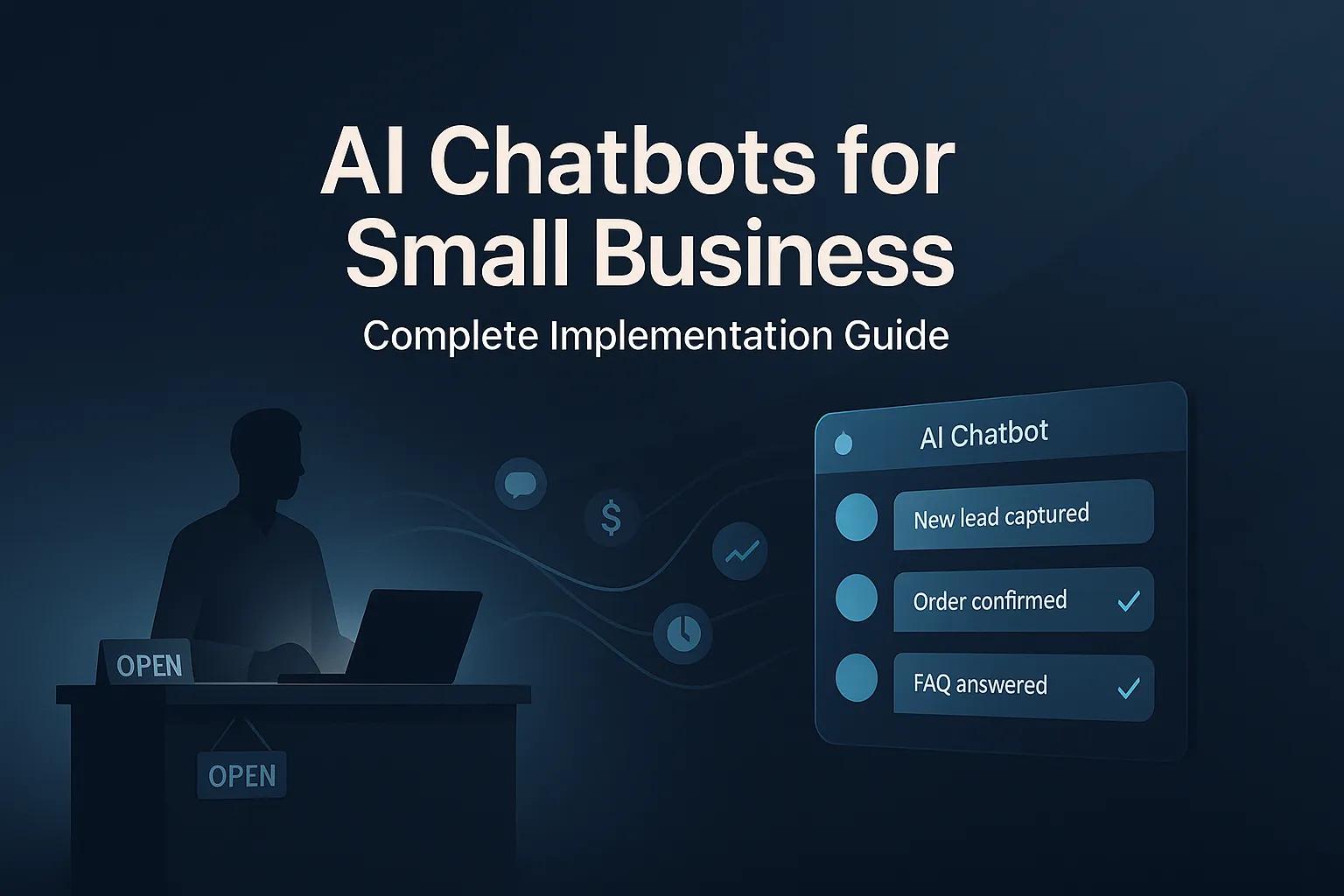

In today's fast-paced digital landscape, businesses are constantly seeking innovative ways to enhance customer engagement, streamline operations, and drive growth. An AI chatbot, a computer program powered by artificial intelligence that simulates human conversation, is emerging as a powerful tool for achieving these goals. According to a recent report by Grand View Research, the global chatbot market is projected to reach $102.29 billion by 2028, growing at a CAGR of 23.3% from 2021 to 2028. This rapid adoption underscores the transformative potential of AI chatbots for businesses of all sizes. This guide will provide a comprehensive overview of AI chatbots, exploring their benefits, use cases, implementation strategies, and ROI, specifically tailored for small and medium businesses (SMBs).
What You'll Learn
- How AI chatbots can revolutionize customer service and sales.
- Key differences between various chatbot types and their suitability for different business needs.
- Real-world examples of AI chatbots driving tangible results for SMBs.
- Step-by-step guide to implementing an AI chatbot solution.
- How to calculate the ROI of an AI chatbot and optimize its performance.
Understanding AI Chatbots
An AI chatbot is more than just a simple automated response system. It leverages natural language processing (NLP) and machine learning (ML) to understand user intent, provide personalized responses, and even learn from interactions to improve its performance over time. Imagine having a virtual assistant available 24/7 to answer customer inquiries, qualify leads, and guide users through your website – that's the power of an AI chatbot. Gaazzeebo specializes in developing custom AI agents tailored to your specific business needs, ensuring seamless integration with your existing systems.
Types of AI Chatbots
While all AI chatbots share the common goal of automating conversations, they differ in their underlying technology and capabilities:
- Rule-Based Chatbots: These chatbots follow pre-defined rules and decision trees. They are simple to implement but lack the flexibility to handle complex or unexpected queries.
- AI-Powered Chatbots: These chatbots utilize NLP and ML to understand user intent and generate more natural and personalized responses. They can handle a wider range of queries and learn from interactions to improve their performance.
- Hybrid Chatbots: These chatbots combine rule-based and AI-powered approaches. They use rules for common queries and AI for more complex or ambiguous requests, striking a balance between simplicity and flexibility.
Key Insight: AI-powered chatbots offer significantly more flexibility and scalability than rule-based systems, making them a worthwhile investment for businesses seeking long-term value.
AI Chatbots vs. Live Agents
While live agents provide personalized human interaction, AI chatbots offer distinct advantages in terms of availability, scalability, and cost-effectiveness.
Key Insight: AI chatbots can handle routine tasks, freeing up live agents to focus on complex or sensitive customer issues, leading to improved overall customer satisfaction.
Real-World Use Cases for AI Chatbots
AI chatbots are transforming businesses across various industries. Here are a few examples:
E-commerce: Personalized Shopping Experience
An e-commerce company implemented an AI chatbot that provides personalized product recommendations based on browsing history and purchase behavior. This resulted in a 15% increase in average order value and a 20% increase in customer retention.
Healthcare: Streamlined Appointment Scheduling
A healthcare provider integrated an AI chatbot into its website to automate appointment scheduling and answer frequently asked questions. This reduced phone calls by 30% and improved patient satisfaction scores by 25%.
Professional Services: Lead Qualification and Generation
A marketing agency uses an AI chatbot to qualify leads on its website and generate targeted marketing campaigns. This resulted in a 40% increase in lead conversion rates and a 20% reduction in marketing costs.
Key Insight: AI chatbots can be tailored to specific business needs, driving significant improvements in key metrics across different industries.
Implementing an AI Chatbot: A Step-by-Step Guide
Implementing an AI chatbot involves careful planning and execution. Here's a step-by-step guide:
Step 1: Define Your Goals: Clearly define what you want to achieve with your chatbot. Do you want to improve customer service, generate leads, or automate tasks?
Step 2: Choose the Right Platform: Select a chatbot platform that aligns with your goals and technical capabilities. Consider factors such as ease of use, integration options, and pricing. Gaazzeebo can help you choose the right platform and integrate it with your existing systems – contact us for a free consultation.
Step 3: Design the Conversation Flow: Map out the conversation flow and anticipate potential user queries. Create a script that is both informative and engaging.
Step 4: Train Your Chatbot: Provide your chatbot with the necessary data and examples to understand user intent and generate accurate responses.
Step 5: Test and Optimize: Thoroughly test your chatbot and gather feedback from users. Use the feedback to optimize its performance and improve the user experience.
Key Insight: A well-planned and executed implementation strategy is crucial for maximizing the benefits of an AI chatbot.
Costs, ROI, and Business Impact
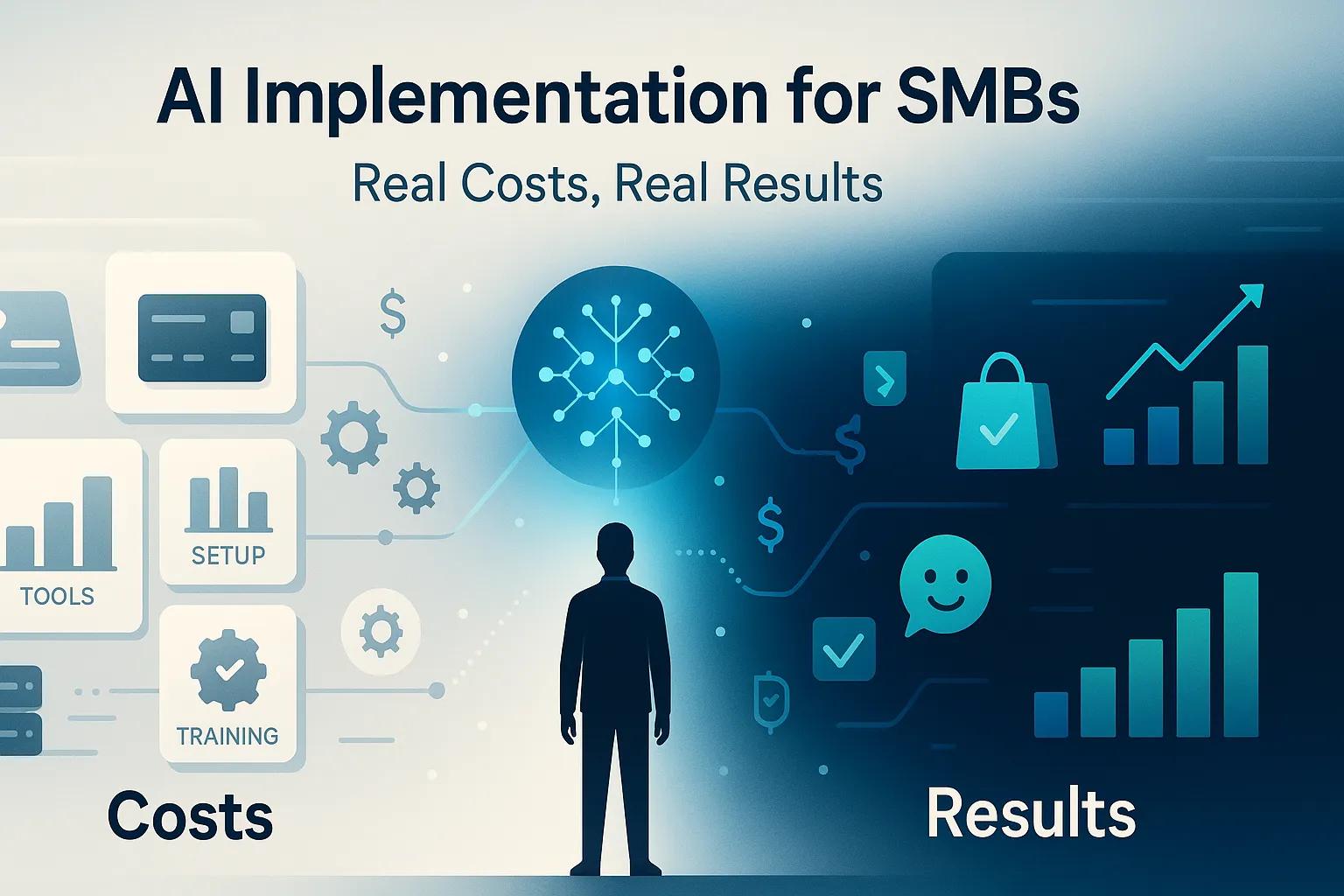
The cost of implementing an AI chatbot varies depending on the complexity of the solution and the chosen platform. However, the ROI can be significant.
- Cost: Basic chatbot solutions can range from $50-$500/month, while more advanced solutions can cost $1,000+/month.
- ROI: Businesses can expect to see an ROI of 20-100% within the first year, through increased sales, reduced costs, and improved customer satisfaction.
- Business Impact: AI chatbots can improve customer service, generate leads, automate tasks, and provide valuable data insights.
A study by Juniper Research found that chatbots will save businesses $11 billion annually by 2023.
Key Insight: AI chatbots offer a compelling ROI for businesses of all sizes, making them a worthwhile investment for long-term growth and efficiency.
Common Mistakes and Risks
Implementing an AI chatbot is not without its challenges. Here are a few common mistakes to avoid:
- Lack of Clear Goals: Without clear goals, it's difficult to measure the success of your chatbot.
- Poor Conversation Design: A poorly designed conversation flow can lead to frustration and abandonment.
- Insufficient Training: An inadequately trained chatbot will struggle to understand user intent and provide accurate responses.
- Ignoring User Feedback: Failing to gather and act on user feedback will hinder your ability to optimize your chatbot's performance.
Key Insight: By avoiding these common mistakes, businesses can significantly increase their chances of success with AI chatbots.
The Bottom Line
- AI chatbots are revolutionizing customer service and sales, offering 24/7 availability and personalized interactions.
- Implementing an AI chatbot can lead to significant cost savings, increased revenue, and improved customer satisfaction.
- Careful planning, execution, and ongoing optimization are crucial for maximizing the benefits of an AI chatbot.
Ready to transform your business with the power of AI? Gaazzeebo specializes in AI agents, business automation, and custom websites designed to drive growth and efficiency. Contact us for a free consultation, or learn more about our AI agents to see how we can help your business thrive.
Sources and References:
- Grand View Research (2021) — Chatbot Market Analysis Report By Type (Software, Hardware), By Application (Customer Service, Marketing), By End Use, By Region, And Segment Forecasts, 2021 - 2028
- Juniper Research (2019) — Chatbots: Retail, Healthcare, Banking & Insurance 2019-2023
- HubSpot (2023) — The Ultimate Guide to Chatbot Marketing
- Forrester (2022) — The Forrester Wave™: Conversational AI For Customer Service, Q2 2022
- Gartner (2021) — Magic Quadrant for Enterprise Conversational AI Platforms
- Statista (2023) — Chatbots - Statistics & Facts
- McKinsey (2020) — The Next Normal Arrives: Trends That Will Define 2021—and Beyond
- IBM (2023) — What is Artificial Intelligence (AI)?
- Microsoft (2023) — What is Natural Language Processing (NLP)?
- Google AI (2023) — Machine Learning Crash Course
About Gaazzeebo: We are a Tampa-based technology company specializing in AI agents, business automation, custom websites, mobile apps, and IT support. Our team helps small and medium businesses harness technology to grow faster and operate more efficiently. Contact us for a free consultation.