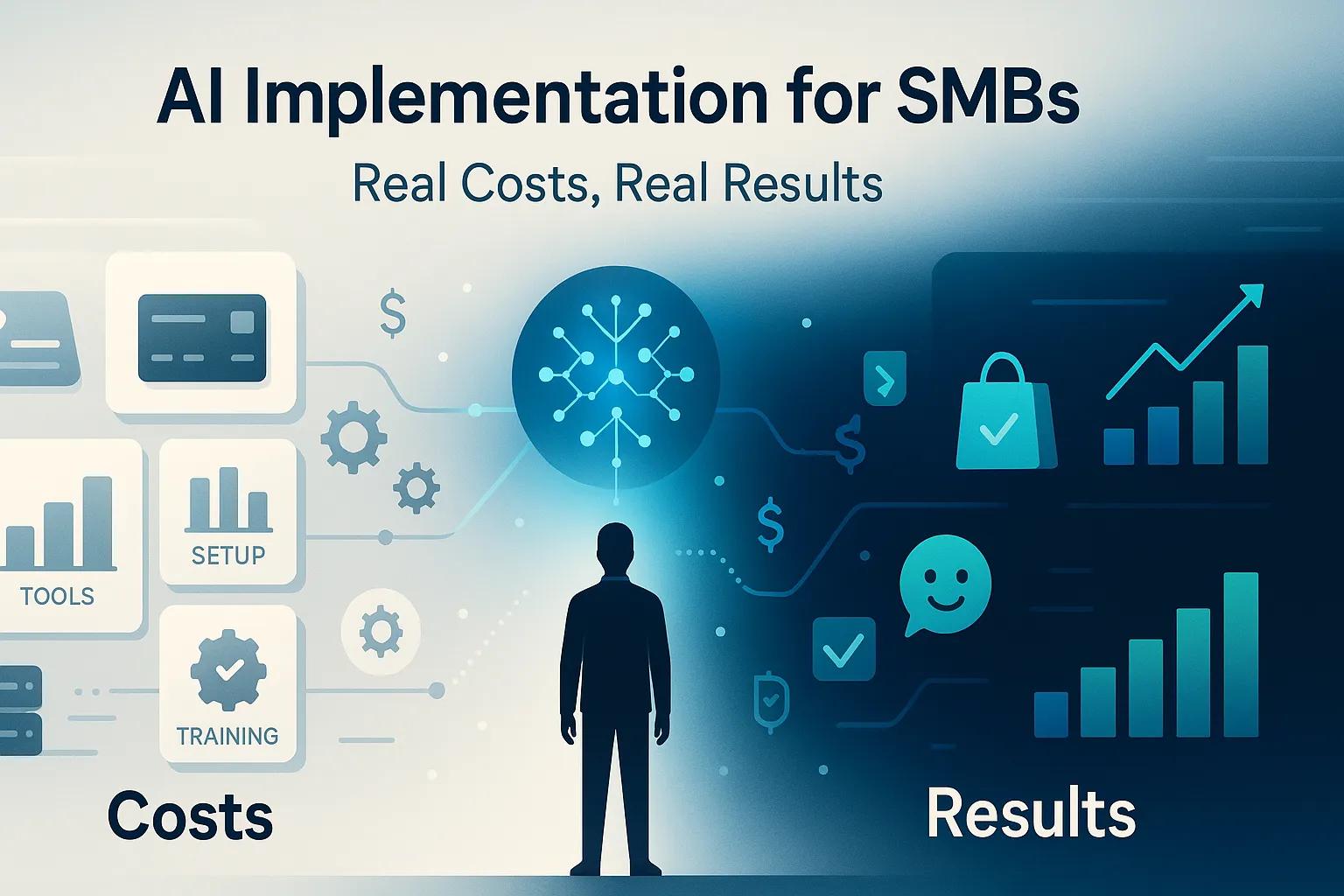

Digital transformation is no longer a buzzword; it's a business imperative. It's the process of fundamentally changing how you operate and deliver value to customers by integrating digital technology into all areas of your business. According to a recent McKinsey study, companies that successfully implement digital transformations are 2.5 times more likely to achieve above-average revenue growth. Small and medium businesses (SMBs) can leverage digital transformation to compete with larger organizations, improve efficiency, and unlock new revenue streams. This guide provides actionable strategies and insights to help you navigate the digital transformation journey. We'll explore key concepts, real-world examples, implementation steps, and potential pitfalls to avoid.
What You'll Learn
- Understand the core principles of digital transformation and its impact on SMBs.
- Compare different digital transformation strategies and identify the best fit for your business.
- Explore real-world use cases of successful digital transformation across various industries.
- Learn a step-by-step guide to implementing digital transformation in your organization.
- Evaluate the costs, ROI, and business impact of digital transformation initiatives.
- Identify common mistakes and risks associated with digital transformation and how to avoid them.
Defining Digital Transformation
Digital transformation involves integrating digital technology into all areas of a business, fundamentally changing how it operates and delivers value to customers. It's more than just implementing new software; it's a cultural shift that requires rethinking processes, strategies, and customer experiences. Think of it like renovating a house: you're not just repainting a room, but redesigning the entire layout to create a more functional and modern living space. A key element of successful digital transformation is often business automation to streamline processes and reduce manual tasks.
Key Components of Digital Transformation
Digital transformation encompasses several key components:
- Customer Experience: Enhancing customer interactions through digital channels.
- Operational Processes: Streamlining internal operations using technology.
- Business Model: Creating new revenue streams and value propositions.
- Organizational Culture: Fostering a culture of innovation and adaptability.
Key Insight: Digital transformation is a holistic process that requires a strategic vision and commitment from all levels of the organization.
Comparing Digital Transformation Strategies
Choosing the right digital transformation strategy is crucial for success. Different approaches cater to varying business needs and objectives.
Key Insight: The best digital transformation strategy depends on your organization's specific goals, resources, and risk tolerance.
Real-World Use Cases
Digital transformation has yielded impressive results across various industries. Here are a few examples:
Manufacturing: Predictive Maintenance
A manufacturing company implemented AI-powered predictive maintenance to reduce downtime. By analyzing sensor data from equipment, they could predict potential failures and schedule maintenance proactively. This resulted in a 25% reduction in unplanned downtime and a 15% increase in overall equipment efficiency.
Retail: Personalized Customer Experience
A retail chain used data analytics to personalize the customer experience. By tracking customer behavior online and in-store, they could offer targeted promotions and product recommendations. This led to a 20% increase in sales and a 10% improvement in customer satisfaction scores.
Healthcare: Telemedicine Platform
A healthcare provider developed a telemedicine platform to provide remote consultations and monitoring. This allowed them to reach more patients, reduce hospital readmissions, and improve patient outcomes. The platform resulted in a 30% reduction in hospital readmissions and a 20% increase in patient satisfaction.
Key Insight: Digital transformation can drive significant improvements in efficiency, customer experience, and revenue across diverse industries.
Implementing Digital Transformation: A Step-by-Step Guide
Implementing digital transformation requires a structured approach. Here's a step-by-step guide to help you get started:
Step 1: Define Your Vision and Goals Clearly articulate your vision for digital transformation and set specific, measurable, achievable, relevant, and time-bound (SMART) goals. What do you want to achieve through digital transformation? Increased revenue, improved efficiency, or enhanced customer experience?
Step 2: Assess Your Current State Evaluate your current technology infrastructure, processes, and capabilities. Identify areas for improvement and potential challenges. Conduct a thorough assessment of your existing systems and identify gaps.
Step 3: Develop a Roadmap Create a detailed roadmap outlining the steps required to achieve your digital transformation goals. Prioritize initiatives based on their potential impact and feasibility. Consider leveraging AI agents to automate key tasks and improve decision-making.
Step 4: Implement Pilot Projects Start with small-scale pilot projects to test new technologies and processes. This allows you to learn from your mistakes and refine your approach before rolling out changes across the entire organization.
Step 5: Scale and Optimize Once you've validated your approach, scale your digital transformation initiatives across the organization. Continuously monitor performance and optimize your strategies based on data and feedback.
Key Insight: Successful digital transformation requires a phased approach, starting with a clear vision and roadmap, followed by pilot projects and gradual scaling.
Costs, ROI, and Business Impact
The costs of digital transformation can vary widely depending on the scope and complexity of the initiatives. However, the potential ROI can be significant.
- Initial Investment: $50,000 - $500,000+ (depending on the size and complexity of the project)
- Ongoing Costs: $5,000 - $50,000+ per month (for software subscriptions, maintenance, and support)
- Potential ROI: 20% - 50% increase in revenue, 15% - 30% reduction in costs, and 10% - 20% improvement in customer satisfaction within 12-24 months.
One study by Deloitte found that digitally mature companies are 67% more likely to report increased profits than their less digitally mature counterparts. By automating repetitive tasks with tools like automation, businesses can free up employees to focus on higher-value activities.
Key Insight: Digital transformation can deliver a significant ROI through increased revenue, reduced costs, and improved customer satisfaction, but it requires a strategic investment and ongoing optimization.
Common Mistakes and Risks
Digital transformation is not without its challenges. Here are some common mistakes and risks to watch out for:
- Lack of Clear Vision: Failing to define a clear vision and goals for digital transformation.
- Insufficient Budget: Underestimating the costs associated with digital transformation.
- Resistance to Change: Encountering resistance from employees who are unwilling to adopt new technologies and processes.
- Poor Data Management: Failing to manage data effectively, leading to inaccurate insights and poor decision-making.
- Inadequate Security: Neglecting cybersecurity, making the organization vulnerable to cyberattacks.
Key Insight: Avoid common pitfalls by defining a clear vision, securing adequate funding, managing change effectively, ensuring data quality, and prioritizing cybersecurity.
The Bottom Line
Digital transformation is a critical imperative for SMBs seeking to thrive in today's competitive landscape. By embracing digital technologies and strategies, businesses can unlock new opportunities for growth, efficiency, and customer satisfaction.
- Digital transformation is not just about technology; it's about transforming your business.
- A well-defined strategy and roadmap are essential for success.
- Focus on delivering value to customers and improving their experience.
Ready to unlock the power of digital transformation for your business? Gaazzeebo specializes in crafting tailored strategies and implementing cutting-edge solutions to drive growth and efficiency. Contact us for a free consultation, or learn more about our automation services to see how we can help your business achieve its full potential.
Sources and References:
- McKinsey (2020) — Data on successful digital transformations and revenue growth.
- Deloitte (2018) — Study on digitally mature companies and profitability.
- Gartner (2022) — Insights on digital transformation trends and challenges.
- Forrester (2021) — Research on the impact of digital transformation on customer experience.
- Statista (2023) — Statistics on digital transformation spending and ROI.
- HubSpot (2024) — Best practices for digital transformation in marketing and sales.
- PwC (2019) — Analysis of digital transformation in the manufacturing industry.
- Accenture (2020) — Report on digital transformation in healthcare.
- BCG (2021) — Strategies for successful digital transformation implementation.
- KPMG (2022) — Risk management in digital transformation projects.
- World Economic Forum (2016) — Digital Transformation of Industries report.
- MIT Sloan Management Review (2015) — Aligning digital strategy with organizational culture.
About Gaazzeebo: We are a Tampa-based technology company specializing in AI agents, business automation, custom websites, mobile apps, and IT support. Our team helps small and medium businesses harness technology to grow faster and operate more efficiently. Contact us for a free consultation.