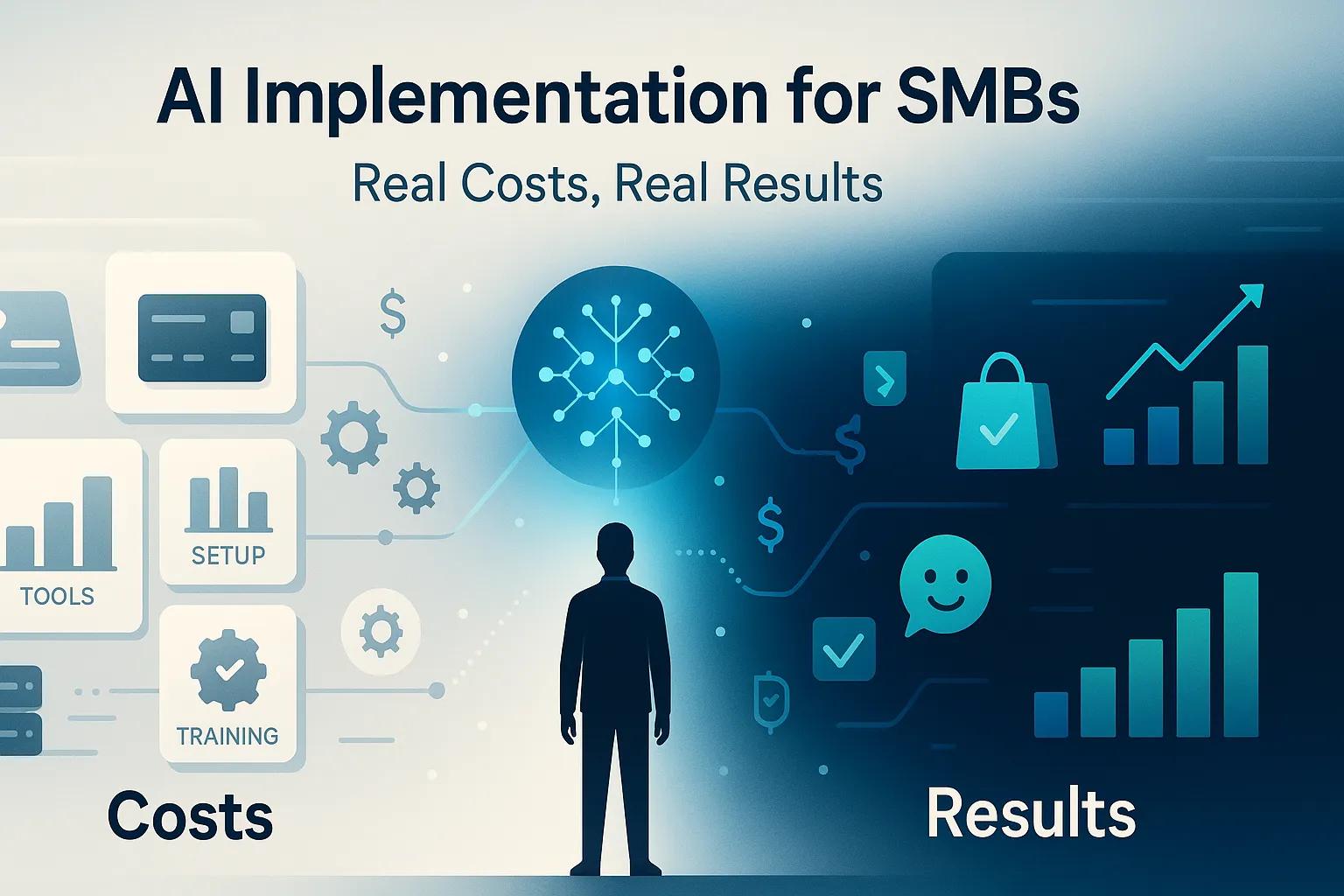

Digital transformation is the integration of digital technology into all areas of a business, fundamentally changing how you operate and deliver value to customers. A recent McKinsey survey found that less than 30% of digital transformations succeed, highlighting the need for a strategic and well-executed approach. For small to medium-sized businesses (SMBs), this means carefully selecting technologies and implementing them in a way that aligns with your unique business goals. This article will provide a practical guide to digital transformation, covering key strategies, real-world use cases, and actionable steps to help your SMB thrive in the digital age.
What You'll Learn
- Understand the core concepts and benefits of digital transformation.
- Compare different approaches to digital transformation.
- Explore real-world examples of successful digital transformation in SMBs.
- Learn how to create a digital transformation roadmap for your business.
- Discover the costs, ROI, and business impact of digital transformation.
Core Concept / Definition Section
Digital transformation is more than just adopting new technologies; it's about rethinking how your business operates, serves customers, and creates value. It involves leveraging digital tools and strategies to improve efficiency, enhance customer experiences, and drive innovation. Think of it as upgrading from a manual typewriter to a fully integrated cloud-based word processor with AI-powered writing assistance. The benefits of digital transformation can be amplified with the help of business automation to streamline processes across departments.
Understanding the Scope of Digital Transformation
Digital transformation touches every aspect of a business, from customer service and marketing to operations and product development. It's a continuous process of adaptation and innovation, driven by the ever-evolving digital landscape. For example, a manufacturing company might implement IoT sensors to monitor equipment performance and predict maintenance needs, reducing downtime and improving efficiency. According to a Deloitte study, digitally mature companies are 23% more profitable than their less digitally mature peers.
Key Insight: Digital transformation is a holistic process that requires a strategic approach and a willingness to embrace change across all areas of your business.
How It Compares / Comparison Section
Different approaches to digital transformation exist, each with its own strengths and weaknesses. Choosing the right approach depends on your specific business needs, resources, and goals.
Key Insight: The best approach to digital transformation is the one that aligns with your business goals, resources, and risk tolerance.
Real-World Use Cases / Business Applications
Digital transformation can deliver significant benefits across various industries and business functions. Here are a few concrete examples:
Manufacturing: Predictive Maintenance
A manufacturing company implemented IoT sensors on its machinery to collect real-time data on performance. By analyzing this data, they were able to predict equipment failures and schedule maintenance proactively, reducing downtime by 25% and saving $50,000 per year in repair costs.
Retail: Personalized Customer Experiences
A retail store used data analytics to understand customer preferences and personalize their shopping experience. By sending targeted promotions and recommendations, they increased sales by 15% and improved customer satisfaction scores by 20%.
Healthcare: Telemedicine
A healthcare provider implemented a telemedicine platform to provide remote consultations and monitoring. This improved access to care for patients in rural areas, reduced hospital readmissions by 10%, and saved patients an average of 2 hours per visit.
Key Insight: Digital transformation can drive significant improvements in efficiency, customer experience, and revenue across various industries.
Implementation Guide / How to Get Started
Implementing digital transformation can seem daunting, but breaking it down into manageable steps can make the process more approachable.
Step 1: Assess Your Current State Conduct a thorough assessment of your current technology infrastructure, business processes, and customer needs. Identify areas where digital transformation can have the biggest impact.
Step 2: Define Your Goals Clearly define your goals for digital transformation. What do you want to achieve? Increase revenue? Improve efficiency? Enhance customer satisfaction? Make sure your goals are specific, measurable, achievable, relevant, and time-bound (SMART).
Step 3: Develop a Roadmap Create a detailed roadmap outlining the steps you will take to achieve your goals. Prioritize projects based on their potential impact and feasibility. Consider engaging Gaazzeebo's IT support team to assist with this process.
Step 4: Choose the Right Technologies Select the technologies that are best suited to your needs and goals. Consider factors such as cost, scalability, and ease of use. Explore options like AI agents for customer service or custom mobile apps for improved communication.
Step 5: Implement and Monitor Implement your digital transformation projects and monitor their progress closely. Track key metrics to measure the impact of your efforts and make adjustments as needed.
Key Insight: A well-defined roadmap and careful selection of technologies are crucial for successful digital transformation.
Costs, ROI, and Business Impact
The cost of digital transformation can vary widely depending on the scope of the project and the technologies involved. However, the potential ROI can be significant.
- Cost: Digital transformation projects can range from a few thousand dollars for simple automation solutions to hundreds of thousands of dollars for complex enterprise-wide initiatives.
- ROI: According to a recent study by Deloitte, companies that have successfully implemented digital transformation initiatives have seen an average ROI of 23%.
- Business Impact: Digital transformation can lead to increased revenue, improved efficiency, enhanced customer satisfaction, and a stronger competitive advantage. A McKinsey report notes that companies that embrace digital transformation are 26% more profitable than their peers.
Key Insight: While digital transformation requires an investment, the potential ROI and business impact can be substantial.
Common Mistakes / Risks / What to Watch For
Digital transformation is not without its challenges. Here are some common mistakes to avoid:
- Lack of a Clear Strategy: Implementing technology without a clear strategy can lead to wasted resources and limited results.
- Insufficient Employee Training: Employees need to be properly trained on new technologies to use them effectively.
- Ignoring Security Concerns: Digital transformation can increase the risk of cyberattacks. Make sure to implement robust security measures to protect your data.
- Resistance to Change: Employees may resist changes to their workflows. Communicate the benefits of digital transformation and involve employees in the process to overcome resistance.
- Underestimating the Importance of Data: Data is the foundation of digital transformation. Make sure you have a robust data infrastructure and the ability to analyze data effectively. Gaazzeebo can help with custom websites to improve your data collection.
Key Insight: Avoiding common mistakes and addressing potential risks are essential for successful digital transformation.
The Bottom Line
- Digital transformation is essential for SMBs to thrive in the digital age.
- A strategic approach, careful planning, and the right technologies are crucial for success.
- The potential ROI of digital transformation can be significant, leading to increased revenue, improved efficiency, and enhanced customer satisfaction.
Ready to unlock the power of digital transformation for your business? Gaazzeebo specializes in business automation and custom software development to help SMBs achieve their digital transformation goals. Contact us for a free consultation to discuss your specific needs and challenges.
Sources and References:
- McKinsey (2020) — Digital transformations: How to succeed where others fail.
- Deloitte (2018) — Digital maturity drives higher financial performance.
- Statista (2023) — Digital Transformation Spending Worldwide.
- Forrester (2022) — The Future of Work: Digital Transformation Strategies.
- Gartner (2021) — Top Strategic Technology Trends.
- HubSpot (2024) — The State of Marketing Report.
- PwC (2019) — Digital Transformation: Are you ready?
- Accenture (2020) — The Art of Digital Transformation.
- Boston Consulting Group (2021) — How to Win with Digital Transformation.
- World Economic Forum (2018) - The Impact of Digital on Society.
- Capgemini (2022) - Accelerating Digital Transformation.
- KPMG (2023) - Driving Value Through Digital Transformation.
About Gaazzeebo: We are a Tampa-based technology company specializing in AI agents, business automation, custom websites, mobile apps, and IT support. Our team helps small and medium businesses harness technology to grow faster and operate more efficiently. Contact us for a free consultation.