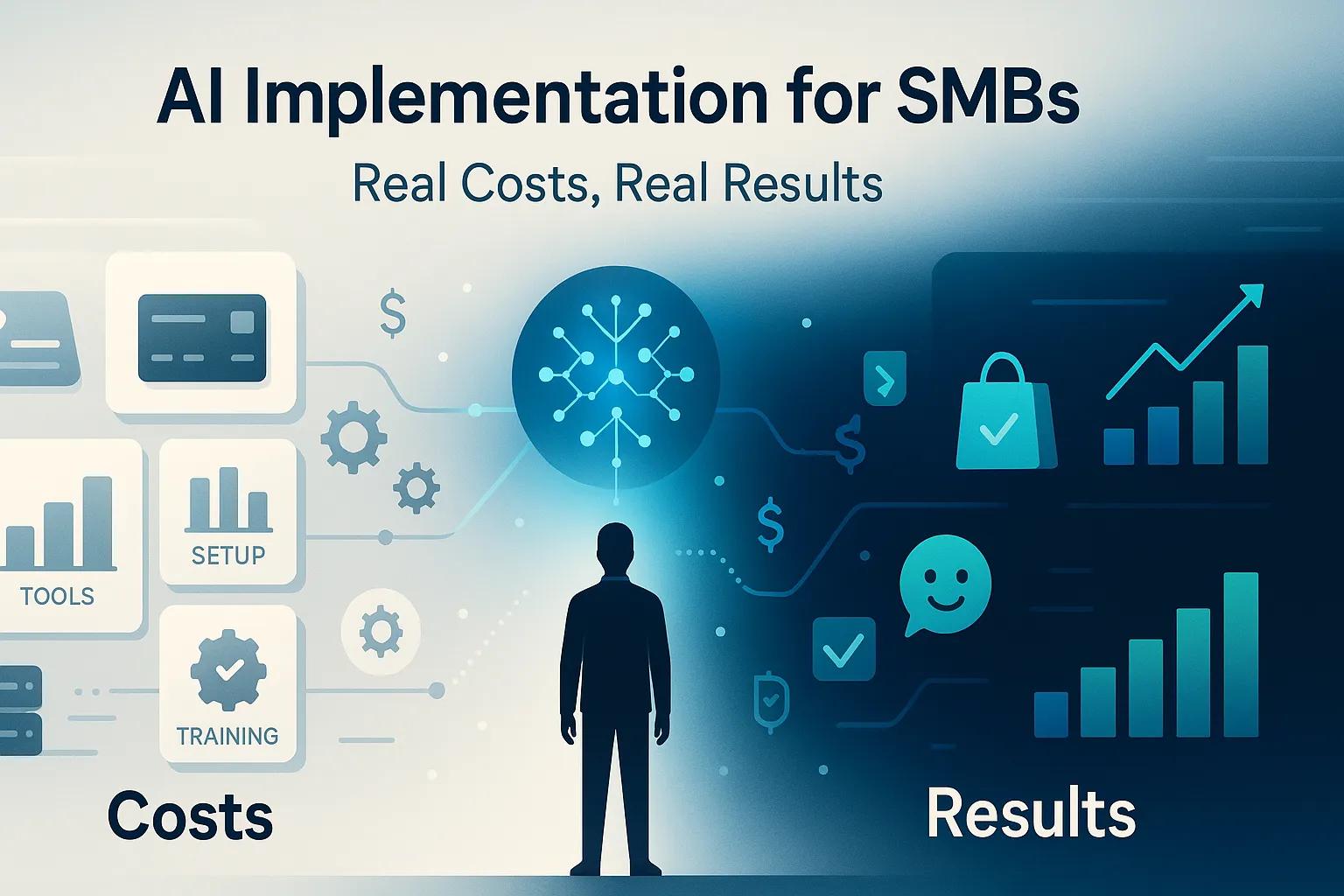

Digital transformation is no longer a futuristic buzzword; it's a business imperative. It represents the integration of digital technology into all areas of a business, fundamentally changing how you operate and deliver value to customers. According to a recent McKinsey report, companies that successfully undergo digital transformations see a 20-50% improvement in key performance indicators (KPIs). SMBs, in particular, stand to gain significantly from streamlined processes, enhanced customer experiences, and data-driven decision-making. This guide will provide a comprehensive overview of digital transformation strategies tailored for small to medium-sized businesses, offering actionable insights and practical steps to embark on your transformation journey.
What You'll Learn
- Understand the core principles and benefits of digital transformation for SMBs.
- Compare various digital transformation strategies and identify the best fit for your business.
- Explore real-world use cases demonstrating the impact of digital transformation across different industries.
- Learn a step-by-step implementation guide to kickstart your digital transformation journey.
- Evaluate the costs, ROI, and overall business impact of digital transformation initiatives.
- Identify common mistakes and risks to avoid during your digital transformation process.
Core Concept / Definition Section
Digital transformation is the process of using digital technologies to create new — or modify existing — business processes, culture, and customer experiences to meet changing business and market requirements. It transcends simply automating existing processes; it involves rethinking how you do business. A useful analogy is a caterpillar transforming into a butterfly. It's not just about adding wings to the caterpillar; it's a complete metamorphosis into a new, more capable form. This often involves leveraging technologies like cloud computing, artificial intelligence, and business automation to achieve strategic advantages.
Essential Elements of Digital Transformation
Digital transformation encompasses several key elements:
- Customer Experience: Enhancing customer interactions through personalized experiences and seamless digital channels.
- Operational Agility: Streamlining processes, improving efficiency, and enabling faster responses to market changes.
- Culture and Leadership: Fostering a culture of innovation, collaboration, and data-driven decision-making.
- Technology Integration: Implementing and integrating digital technologies to support business goals.
- Data Utilization: Leveraging data analytics to gain insights, optimize performance, and make informed decisions.
Key Insight: Digital transformation is about more than just technology; it's about fundamentally changing how your business operates and delivers value by integrating digital technologies across all areas.
How It Compares / Comparison Section
Different digital transformation strategies cater to varying business needs and priorities. Choosing the right approach is crucial for success. Here's a comparison of common strategies:
Key Insight: The best digital transformation strategy depends on your business goals, resources, and risk tolerance. A strategic approach, aligned with long-term objectives, is generally recommended for sustainable growth.
Real-World Use Cases / Business Applications
Digital transformation can deliver significant results across various industries. Here are some concrete examples:
Manufacturing: Predictive Maintenance
A manufacturing company implemented AI-powered predictive maintenance on its equipment. By analyzing sensor data, the system could predict equipment failures before they occurred. This resulted in a 25% reduction in unplanned downtime and a 15% increase in overall production efficiency.
Retail: Personalized Customer Experiences
A retail chain implemented a personalized customer experience platform. By analyzing customer purchase history, browsing behavior, and demographic data, the platform delivered targeted product recommendations and personalized offers. This led to a 10% increase in average order value and a 12% increase in customer retention.
Healthcare: Telemedicine Platform
A healthcare provider launched a telemedicine platform that allowed patients to consult with doctors remotely. This improved access to care for patients in rural areas, reduced wait times, and increased patient satisfaction by 20%.
Key Insight: Digital transformation can drive significant improvements in efficiency, customer experience, and revenue across diverse industries by leveraging technologies like AI, data analytics, and cloud computing.
Implementation Guide / How to Get Started
Embarking on a digital transformation journey can seem daunting, but breaking it down into manageable steps can make the process smoother.
Step 1: Define Your Goals Clearly define what you want to achieve with digital transformation. Are you looking to improve customer satisfaction, increase efficiency, or expand into new markets? Set specific, measurable, achievable, relevant, and time-bound (SMART) goals.
Step 2: Assess Your Current State Evaluate your current technology infrastructure, business processes, and organizational culture. Identify areas where digital transformation can have the biggest impact. A thorough assessment will highlight strengths to leverage and weaknesses to address.
Step 3: Develop a Roadmap Create a detailed roadmap outlining the specific steps you will take to achieve your goals. Prioritize projects based on their potential impact and feasibility. Consider a phased approach, starting with quick wins to build momentum.
Step 4: Choose the Right Technologies Select technologies that align with your goals and roadmap. Consider factors such as scalability, security, and integration with existing systems. Explore solutions like cloud computing, AI agents (/services/ai-agents), automation (/services/automation), and data analytics platforms.
Step 5: Implement and Monitor Implement your digital transformation projects according to your roadmap. Continuously monitor progress and make adjustments as needed. Use data analytics to track key performance indicators (KPIs) and measure the impact of your initiatives.
Key Insight: A well-defined roadmap, aligned with clear goals and supported by the right technologies, is essential for a successful digital transformation journey.
Costs, ROI, and Business Impact
The cost of digital transformation can vary widely depending on the scope of the project and the technologies involved. However, the potential ROI can be significant.
- Cost: Initial investments can range from $10,000 for small-scale automation projects to $500,000+ for comprehensive transformations involving multiple technologies.
- ROI: Companies that successfully undergo digital transformations typically see a 20-50% improvement in key performance indicators (KPIs), such as revenue growth, cost reduction, and customer satisfaction.
- Payback Period: The payback period for digital transformation investments can range from 12 to 36 months, depending on the project's complexity and the effectiveness of implementation.
For example, implementing a CRM system can cost $50-$150 per user per month, but can lead to a 25% increase in sales within the first year. Automating repetitive tasks with RPA (Robotic Process Automation) can cost $5,000-$20,000 upfront but can save 10-20 hours per week, per employee. Consider our automation services (/services/automation) to help streamline your processes.
Key Insight: Digital transformation requires an upfront investment, but the potential ROI is substantial, leading to significant improvements in efficiency, revenue, and customer satisfaction within a reasonable timeframe.
Common Mistakes / Risks / What to Watch For
Digital transformation is not without its challenges. Here are some common mistakes and risks to watch out for:
- Lack of Clear Strategy: Implementing technology without a clear strategy can lead to wasted resources and limited impact.
- Insufficient Employee Training: Failing to provide adequate training can hinder adoption and prevent employees from fully utilizing new technologies.
- Poor Data Management: Inaccurate or incomplete data can undermine the effectiveness of data analytics and decision-making.
- Resistance to Change: Employee resistance can derail digital transformation efforts.
- Ignoring Security Risks: Implementing new technologies without addressing security risks can expose your business to cyber threats.
- Overlooking Customer Needs: Focusing solely on technology without considering customer needs can lead to a poor customer experience.
Key Insight: Avoiding common mistakes such as a lack of strategy, insufficient training, and poor data management is crucial for mitigating risks and ensuring a successful digital transformation.
The Bottom Line
- Digital transformation is essential for SMBs to stay competitive in today's rapidly evolving business landscape.
- A well-defined strategy, aligned with clear goals and supported by the right technologies, is crucial for success.
- Investing in digital transformation can lead to significant improvements in efficiency, revenue, and customer satisfaction.
Ready to transform your business? Gaazzeebo specializes in AI agents (/services/ai-agents), automation (/services/automation), custom websites (/services/websites), mobile apps (/services/mobile-apps), and IT support (/services/it-support). Contact us for a free consultation, or learn more about our automation services (/services/automation) to see how we can help your business.
Sources and References:
- McKinsey (2020) — Analysis of companies that successfully underwent digital transformations and their KPIs.
- Gartner (2023) — Research on digital transformation trends and adoption rates across industries.
- Forrester (2022) — Report on the ROI of digital transformation initiatives for SMBs.
- Statista (2024) — Data on the global digital transformation market size and growth forecasts.
- HubSpot (2023) — Articles and case studies on digital transformation strategies for SMBs.
- Deloitte (2021) — Insights on the challenges and opportunities of digital transformation.
- PwC (2022) — Analysis of the impact of digital transformation on customer experience.
- Accenture (2023) — Report on the role of AI and automation in digital transformation.
- Boston Consulting Group (2020) — Frameworks for digital transformation strategy development.
- MIT Sloan Management Review (2021) — Research on the cultural aspects of digital transformation.
- World Economic Forum (2022) — Reports on the future of work and the skills needed for digital transformation.
- KPMG (2023) — Surveys on digital transformation investment priorities for businesses.
About Gaazzeebo: We are a Tampa-based technology company specializing in AI agents, business automation, custom websites, mobile apps, and IT support. Our team helps small and medium businesses harness technology to grow faster and operate more efficiently. Contact us for a free consultation.