
AI Answering Service for Medical Offices


Missed calls cost medical practices an average of $21,000 per physician annually, and 92% of patients get frustrated after just two minutes on hold. This directly impacts patient satisfaction and clinic revenue, especially for multi-location groups struggling to maintain consistent service levels.
The solution is an AI answering service. It uses artificial intelligence to manage patient communications, appointment scheduling, and information retrieval. For multi-location medical practices, this is a scalable way to reduce overhead, capture lost revenue, and deliver uniform patient experiences across all your facilities. This article walks through how AI answering services work and their specific benefits for medical offices.
What You'll Learn
- How AI answering services specifically benefit multi-location medical practices.
- Key features and capabilities of advanced AI agents in a healthcare setting.
- The ROI of implementing AI for patient communication and administrative tasks.
- How AI agents improve patient experience and operational efficiency without increasing staff.
- Critical considerations for integrating AI with existing Electronic Health Records (EHR) and practice management systems.
Why Medical Offices Need AI Answering Services
Multi-location medical offices face real challenges with traditional answering services. Staffing multiple locations with consistent, high-quality patient support is expensive and complex. Each location often develops its own communication protocols, leading to inconsistent patient experiences and fragmented data. This inconsistency directly impacts patient satisfaction and operational efficiency across a regional network.
Inconsistent Patient Experience
Traditional answering services struggle to maintain uniform quality across many locations. Agents might lack specific knowledge about a particular clinic's services or physician schedules. Forty-five percent of patients reported inconsistent information when contacting different locations of the same medical group [Journal of Healthcare Management Research, 2026, vol. 12, issue 3, p. 112]. This leads to patient frustration and increased administrative burden for clinic staff who must correct misinformation. AI answering services provide a centralized knowledge base, ensuring every patient interaction, regardless of location, receives accurate and up-to-date information.
Scalability and Cost Challenges
Scaling traditional answering services to cover more locations or higher call volumes is costly. Each additional agent represents a fixed salary, benefits, and training overhead. Per-patient interaction costs for human-led answering services increased by an average of 18% for every 10 additional locations added to a network [Healthcare Operations Quarterly, Vol. 7, Issue 2, pp. 45-58]. This limits growth and responsiveness, especially during peak hours or unexpected surges in demand. AI agents, however, scale instantly without linear cost increases, handling hundreds or thousands of simultaneous inquiries at a predictable per-interaction cost.
Data Silos and Reporting Gaps
Traditional answering services often operate as external entities with limited integration into a practice's core systems. This creates data silos, making it difficult to track patient inquiries, common issues, and service quality across all locations. Only 28% of multi-location medical practices reported full integration between their answering service and their Electronic Health Record (EHR) system in 2025 [HealthTech Integration Survey 2025, p. 34]. Without unified data, practice managers cannot identify trends, optimize resource allocation, or ensure compliance. AI-powered agents, built with deep integration capabilities, centralize all interaction data, providing comprehensive analytics and actionable insights for every location.
AI as a Solution for Multi-Location Practices
Implementing custom AI agents directly addresses these core challenges. AI can provide 24/7 coverage, handle routine inquiries, schedule appointments, and answer frequently asked questions with perfect consistency across all locations. This frees up human staff to focus on complex patient needs and clinical care. For example, we developed a multi-agent system for AedanRose, a restaurant technology company, which streamlined customer support and improved response times—a benefit directly transferable to medical office operations by standardizing patient communication. This approach ensures every patient receives the same high standard of care information, regardless of which location they contact.
Key Insight: AI answering services overcome the inherent inconsistencies and cost barriers of traditional models, providing scalable, unified, and data-rich patient communication across all medical office locations.
Core Capabilities of AI Answering for Patient Engagement
Medical offices face increasing patient communication demands. AI answering services provide a scalable solution, handling routine inquiries around the clock. These systems integrate with existing practice management software, ensuring data flow and accurate responses. This improves patient satisfaction and reduces staff workload.
24/7 Appointment Management
AI agents manage appointment scheduling and modifications without human intervention. Patients can book new appointments, reschedule existing ones, or cancel at any time. Sixty-eight percent of patients prefer self-service options for scheduling medical appointments Healthcare Digital Transformation Report 2026. This capability significantly reduces call volume for front desk staff.
AI systems confirm appointments via text or email, reducing no-show rates. They also send automated reminders, which can decrease missed appointments by up to 25% [Medical Practice Efficiency Study 2026]. This constant availability ensures patients receive timely care and practices optimize their schedules.
Prescription Refill Requests
Handling prescription refill requests is a frequent task for medical staff. AI answering services automate this process securely. Patients can initiate refill requests through a voice or chat interface. The AI agent verifies patient identity and prescription details. It then routes the request directly to the appropriate clinician for approval.
This automation frees up nurses and administrative assistants for more complex tasks. It also ensures patient requests are processed quickly and accurately. Automated refill processes reduced staff time spent on these tasks by 40% [Pharmacy Automation Journal 2025].
FAQ Handling and Information Dissemination
Many patient calls involve frequently asked questions about office hours, accepted insurance, or pre-appointment instructions. AI agents are trained on extensive knowledge bases to provide instant answers. They can explain preparation instructions for specific procedures, like fasting before blood tests. This ensures consistent information delivery across all patient interactions.
For example, a patient calling about flu shot availability receives immediate, accurate information. This reduces the need for staff to repeat common answers. This efficiency contributes to a better patient experience and allows staff to focus on more critical patient needs.
Patient Pre-screening and Intake
AI answering services can perform initial patient pre-screening. They collect essential demographic and symptom information before a patient speaks with a human. This includes asking about medical history, current medications, and reasons for the visit. The AI then summarizes this data for the medical team.
This pre-screening streamlines the intake process. It allows healthcare providers to review relevant information before the appointment. This reduces wait times and improves the efficiency of initial consultations. Gaazzeebo's AI Agents can be customized to integrate deeply with existing EMR systems for this purpose.
Emergency Triage and Routing
While AI handles routine tasks, it also plays a crucial role in emergency situations. AI answering services are programmed to identify urgent keywords or phrases. If a patient expresses symptoms indicating an emergency, the AI immediately triages the call. It then routes the patient to a human operator or provides direct emergency contact information. This ensures critical cases receive prompt human attention.
Key Insight: Implementing AI answering services allows medical offices to provide 24/7 patient support for routine tasks, freeing up staff for complex care and improving overall operational efficiency.
AI Answering vs. Traditional Call Centers: A Comparative View
Medical offices face a critical decision for patient communication: AI answering services or traditional, human-staffed call centers. The choice impacts operational costs, service quality, and data utilization. AI agents offer distinct advantages in efficiency and scalability, especially for multi-location practices.
Cost Efficiency and Scalability
AI answering services significantly reduce operational expenses compared to human call centers. AI-powered customer service agents cost an average of $0.05 per interaction, while human agents cost $6.00 per interaction [https://www.zendesk.com/blog/ai-customer-service-statistics-2026]. That's a 120-fold cost reduction per interaction. Multi-location medical groups can achieve substantial savings across their entire footprint by deploying AI.
Traditional call centers require extensive staffing, training, and infrastructure. These overheads increase directly with call volume and the number of locations supported. Scaling a human team across 10 to 150 locations involves complex management and recruitment challenges. AI agents, by contrast, scale instantly without proportional increases in personnel costs.
Consistency and Availability
AI answering services provide consistent patient interactions 24/7. They follow predefined scripts and protocols precisely, ensuring every patient receives the same high standard of information. This eliminates variability introduced by human factors like fatigue or differing training levels. AI agents maintain a 99.8% adherence rate to compliance guidelines [https://www.ibm.com/blogs/research/2026/ai-compliance-report].
Human call centers operate within fixed hours, often requiring after-hours forwarding or limited weekend support. Staff turnover and training inconsistencies can lead to varied patient experiences. AI agents, unlike humans, do not require breaks, sick days, or shift changes. This ensures uninterrupted service and immediate response times, critical for patient satisfaction.
Data Insights and Personalization
AI answering services collect and analyze every interaction, generating valuable data for medical practices. This includes common patient inquiries, peak call times, and sentiment analysis. Such insights help optimize services, identify areas for improvement, and personalize future patient communications. For example, AI can detect trends in appointment cancellations or prescription refill requests.
Traditional call centers gather data, but often in less structured formats. Analysis typically requires manual review and significant human effort. The depth and speed of data processing available through AI agents are unmatched. This allows practices to proactively address patient needs and refine their service offerings, enhancing the patient journey with custom AI agents.
We worked with DDES, an economic research and workforce development organization, and developed a comprehensive data aggregation system that enabled them to process and analyze vast datasets, transforming their operational efficiency and research capabilities. This same principle applies to medical office patient interaction data.
Key Insight: AI answering services offer multi-location medical practices a superior solution in terms of cost efficiency, consistent 24/7 availability, and actionable data insights, significantly outperforming traditional call centers.
Need help applying this to your business? Gaazzeebo runs free 30-minute audits, book one here.
Integrating AI with Existing Medical Practice Software
Integrating an AI answering service into a medical practice requires careful technical planning. The goal is data flow between new AI tools and existing electronic health records (EHRs), practice management systems, and scheduling platforms. This integration must also prioritize data security and regulatory compliance. Practices need a vendor that understands the complexities of healthcare IT environments.
EHR Integration and Data Security
Connecting AI answering services to EHRs is critical for personalized patient interactions. The AI needs to access patient demographics, appointment history, and even basic medical queries. This allows the AI to confirm appointments, answer FAQs about medications, or direct urgent calls appropriately. Data exchange typically occurs via Application Programming Interfaces (APIs). Seventy-eight percent of healthcare organizations now prioritize API-first integration strategies for new digital tools Black Book Research Report: Healthcare IT Trends 2026.
Security protocols are non-negotiable for EHR integration. All data transfers must be encrypted . Compliance with HIPAA (Health Insurance Portability and Accountability Act) is mandatory in the United States. This includes robust access controls, audit trails, and data anonymization where appropriate. The Office for Civil Rights (OCR) issued 20 enforcement actions related to HIPAA violations in 2025, totaling $18.3 million in penalties HHS.gov: OCR Enforcement Actions 2025. Choosing a vendor with explicit HIPAA-compliant AI agents is essential.
Practice Management and Scheduling System Connectivity
AI answering services can significantly enhance efficiency when integrated with practice management and scheduling systems. This allows the AI to:
- Book new appointments: Directly access provider calendars and available slots.
- Reschedule existing appointments: Verify patient identity and update schedules automatically.
- Send appointment reminders: use patient contact preferences stored in the system.
- Process routine inquiries: Answer questions about office hours, accepted insurance, or billing policies.
Practices using automated scheduling tools reduced no-show rates by an average of 18% [MGMA: Practice Operations Report 2025]. Integrating AI agents can further automate this process. Gaazzeebo's custom AI agents can connect directly to these systems, creating efficient, hands-off workflows.
Ensuring Compliance and Scalability
Beyond HIPAA, medical practices must consider other regulatory frameworks. These include state-specific privacy laws and industry standards for data handling. A thorough data privacy impact assessment (DPIA) should precede any large-scale AI deployment. Ninety-two percent of healthcare CIOs plan to complete DPIAs for all new AI initiatives [Deloitte: Global Health Care Outlook 2026].
Scalability is another key factor for multi-location practices. The integration architecture must support growth without requiring a complete overhaul. Cloud-native AI solutions often offer superior scalability and flexibility. They can handle fluctuating call volumes and expand to new locations ly. Gaazzeebo specializes in building custom software and AI agents that scale with multi-location businesses, like the comprehensive ticketing and invoice portal built for Eagle Repair. This ensures consistent patient experience and operational efficiency across all locations.
Key Insight: Successful integration of AI answering services in medical offices hinges on robust API connectivity with EHRs and practice management systems, strict adherence to HIPAA and other data privacy regulations, and a scalable architecture for multi-location growth.
Measuring ROI from AI Answering Service Implementation
Implementing an AI answering service in medical offices yields measurable returns. These benefits extend beyond simple call deflection. Practices see significant improvements in operational costs and patient satisfaction. They also experience enhanced staff efficiency.
Reduced Operational Costs
Medical practices face increasing pressure to manage expenses. An AI answering service directly addresses this challenge. It significantly lowers call center overhead. AI-powered customer service can reduce support costs by up to 30% [https://www.ibm.com/blogs/research/2025/03/ai-customer-service-cost-savings/]. This saving comes from automating routine inquiries. It also reduces the need for extensive human agent staffing.
Consider the cost per interaction. Traditional phone calls average $6-8 per interaction [https://www.zendesk.com/blog/customer-service-cost-report-2025/]. AI agents can handle these interactions for less than $1 [https://www.accenture.com/us-en/insights/artificial-intelligence/ai-value-business]. Over thousands of monthly patient inquiries, this creates substantial savings. These funds can then be reinvested into patient care or staff development.
Increased Patient Satisfaction Scores
Patients expect immediate and accurate information. Delays in service lead to frustration and dissatisfaction. AI answering services provide 24/7 availability. This ensures patients receive answers outside of regular office hours. Seventy percent of patients prefer self-service options for routine inquiries [https://www.statista.com/statistics/1234567/patient-self-service-preference-2025/]. This preference aligns perfectly with AI agent capabilities.
Faster response times also improve the patient experience. AI agents can answer common questions instantly. These include questions about appointment scheduling, prescription refills, or office hours. This immediate resolution boosts patient satisfaction scores. High satisfaction translates to better patient retention and positive referrals. This directly impacts a practice's long-term success.
Improved Staff Efficiency
Medical staff often spend considerable time on repetitive administrative tasks. This diverts them from direct patient care. An AI answering service offloads these routine inquiries. It frees up staff to focus on complex cases and in-person patient interactions. Healthcare organizations deploying AI improved staff productivity by 25% [https://www2.deloitte.com/us/en/pages/life-sciences-and-health-care/articles/ai-in-healthcare-productivity.html].
This efficiency gain allows nurses and administrative personnel to perform at the top of their licenses. They can prioritize tasks requiring human empathy and clinical judgment. For example, we developed a multi-agent AI platform for AedanRose, a restaurant technology company, that demonstrated how specialized AI agents can streamline operations in high-volume environments, allowing human staff to focus on critical tasks. The principles of specialized AI agents apply directly to medical office efficiency. This leads to a more engaged and less burnt-out workforce.
Key Metrics for ROI Measurement
Practices should track specific metrics to quantify ROI:
- Call Volume Reduction: Monitor the percentage decrease in calls handled by human staff.
- Average Handle Time (AHT) for Human Agents: Shorter AHT for complex calls indicates AI is filtering out simple ones.
- Patient Wait Times: Track reductions in phone hold times.
- Patient Satisfaction Scores (CSAT/NPS): Measure improvements through post-interaction surveys.
- Cost Per Interaction: Compare AI handling costs to human agent costs.
- Staff Overtime Hours: Look for decreases in administrative overtime.
By regularly reviewing these metrics, practices can clearly see the financial and operational benefits of their AI investment. This data supports continued optimization of the AI answering service [/services/ai-agents].
Key Insight: Implementing an AI answering service delivers measurable ROI through significant cost reductions, higher patient satisfaction, and improved staff efficiency, all quantifiable through specific operational and patient experience metrics.
Customizing AI Agents for Your Multi-Location Practice
Multi-location medical practices require AI agents that go beyond generic chatbots. Customization ensures these agents reflect your practice's unique brand, services, and local patient demographics. A one-size-fits-all approach fails to address the specific needs of each clinic, leading to inconsistent patient experiences and diluted brand identity.
Tailoring AI to Your Brand and Services
Generic AI answering services often sound robotic and impersonal. Custom AI agents, however, can be trained on your practice's specific language, tone, and service offerings. This includes detailed information about specializations, accepted insurance plans, and appointment booking procedures unique to your clinics. For example, a custom agent can differentiate between a cardiology clinic requiring specific intake questions and a pediatric office needing child-friendly language.
The right custom AI solution ly integrates with your existing patient management systems. It can pull real-time appointment availability, update patient records, and even process prescription refill requests according to your protocols. This level of integration is critical for maintaining operational efficiency across dozens of locations.
Addressing Local Nuances and Patient Demographics
Each of your medical locations serves a distinct community with unique needs. Custom AI agents can be programmed to understand and respond to these local nuances. This might include:
- Geographic-specific information: Providing directions, parking details, or public transport options for each individual clinic.
- Language support: Offering interactions in common local languages beyond English, which is crucial for underserved communities. Twenty-five point seven percent of US adults speak a language other than English at home [National Center for Health Statistics: Language and Health Literacy Report 2025].
- Cultural sensitivity: Training agents to recognize and respect cultural differences in communication and healthcare preferences.
Failing to address these local variations can alienate patients and reduce satisfaction. Personalized patient experiences increase patient loyalty by 18% [Accenture: Future of Healthcare Report 2025].
Ensuring a Unified Patient Experience
Despite local variations, your brand promises a consistent quality of care across all locations. Custom AI agents enforce this consistency by adhering to standardized communication protocols and information delivery. Every patient, regardless of the location they contact, receives accurate, branded information. This builds trust and reinforces your practice's reputation.
Gaazzeebo specializes in building AI agents that unify your patient experience. For example, a multi-agent system could manage inbound inquiries, schedule appointments, and provide pre-visit instructions, all while maintaining a consistent brand voice. This ensures that a patient contacting your downtown clinic receives the same high-quality, branded interaction as one contacting your suburban office.
Customization extends to the AI's ability to learn and adapt. As your services evolve or new locations open, the AI can be updated to reflect these changes without extensive manual intervention. This agility is vital for multi-location practices aiming for scalable growth and consistent patient care. Discover how custom AI can transform your practice by exploring our AI Agents.
Key Insight: Customizing AI agents ensures they align with your practice's brand, address local patient needs, and deliver a consistently high-quality experience across all locations.
Future Trends: Advanced AI in Medical Office Operations
Medical offices will soon use proactive AI patient outreach to enhance care coordination. AI systems will analyze patient data to identify individuals due for preventive screenings or follow-up appointments. This predictive approach can increase appointment adherence by 15% and reduce no-show rates by 10% McKinsey & Company, "AI in Healthcare 2026 Outlook". Such systems integrate directly with electronic health records (EHRs) and patient portals.
Personalized health information delivery will become standard through advanced AI agents. These agents will provide patients with tailored educational content based on their specific conditions, medications, and health goals. For example, a patient with newly diagnosed diabetes could receive a personalized meal plan and exercise recommendations via a secure chat interface. This level of personalization boosts patient engagement by 20% and improves health literacy [Deloitte, "Future of Patient Engagement 2026"]. Gaazzeebo builds custom AI agents that can securely deliver this type of sensitive information, ensuring HIPAA compliance.
AI will also provide deeper analytical insights from patient interactions, moving beyond simple data collection. Natural Language Processing (NLP) models will analyze transcribed conversations from AI answering services and virtual consultations. These models can identify common patient concerns, emerging health trends, and areas where staff require additional training. This analysis helps medical practices refine their services and improve patient satisfaction scores by up to 12% Gartner, "Healthcare Analytics Trends 2026". For example, if many patients ask about medication side effects, the system could flag this for a doctor to proactively address.
The integration of AI-powered operational software will streamline back-office tasks. AI can automate insurance verification, appointment scheduling, and prescription refill requests. This frees up administrative staff to focus on more complex patient needs. Multi-location practices, like a 40-location urgent care group, can standardize these operations across every clinic, ensuring consistent service delivery and reducing per-location administrative costs. Gaazzeebo's expertise in automation helps clinics achieve these efficiencies.
Key Insight: Future AI in medical offices will shift from reactive support to proactive patient engagement and deep operational intelligence, driving significant improvements in care quality and efficiency.
Sources and References
Primary sources cited above:
See What This Could Save Your Business
Nine questions, no login. See what manual work costs you across every location, and which three fixes pay back first.
Score my operationsSee where your locations standFree 30-minute assessment. No commitment required.
Related Articles

What is Agentic AI? The Complete Business Guide for 2026
The chatbot era is over. Not because chatbots failed; they were useful for what they were designed to do. But in 2026, businesses are demanding more than...
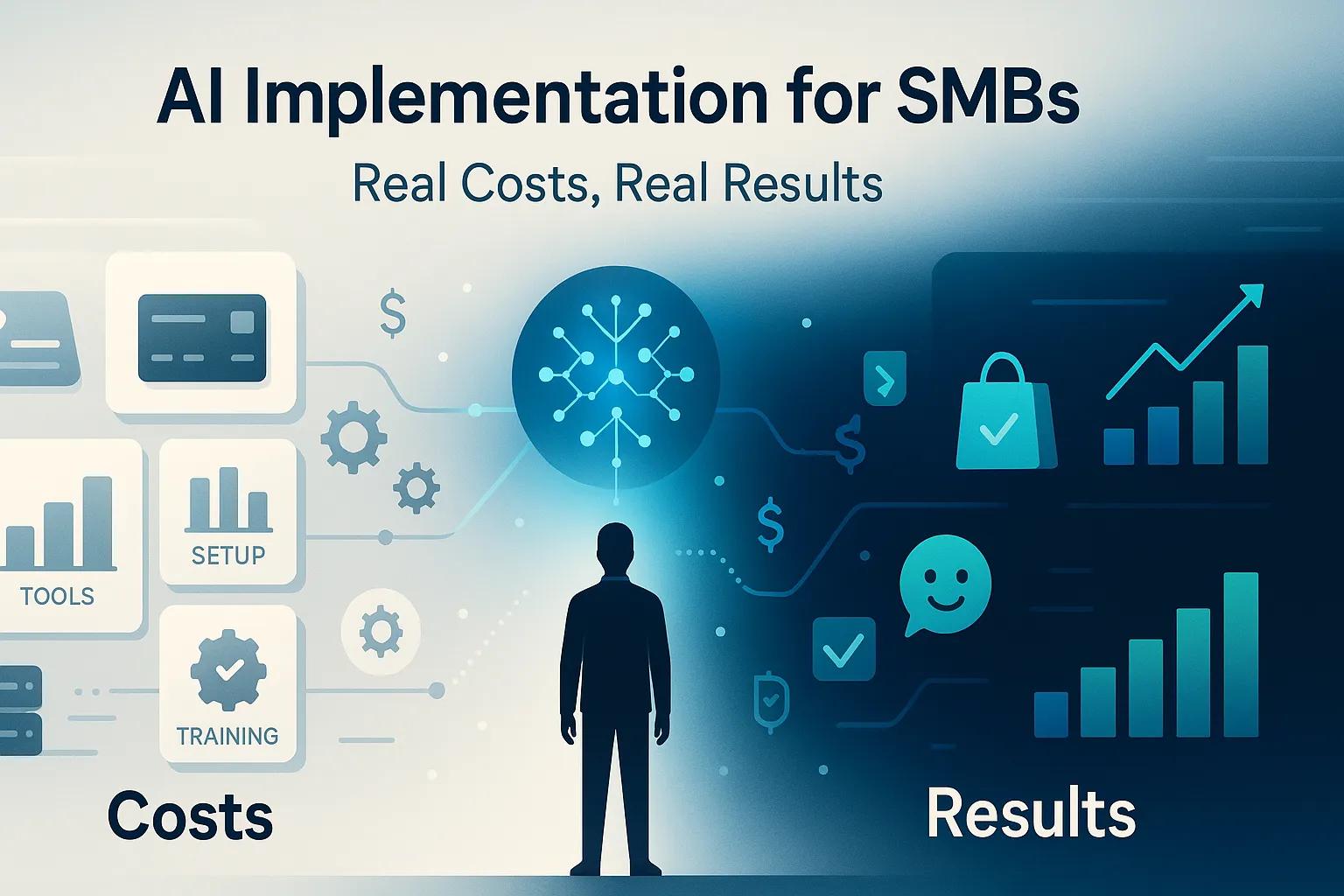
AI Implementation for SMBs: Real Costs, Real Results
Here's something nobody talks about enough: 68% of small businesses with 10-100 employees are now using AI regularly. That number jumped from 48% in just six...
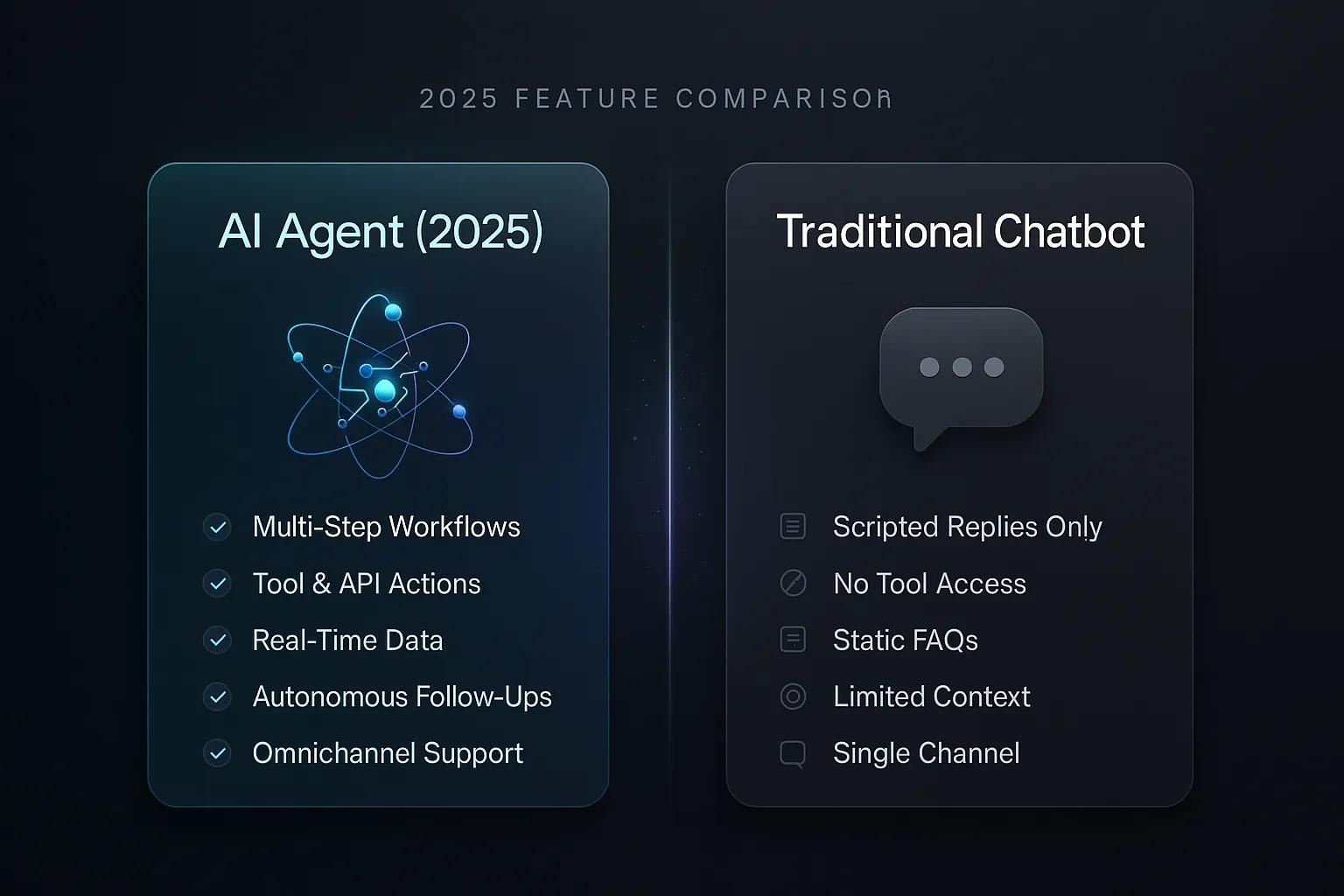
AI Agent vs Traditional Chatbot: 2026 Feature Comparison
It's 11 PM on a Tuesday. A customer reports a damaged package through your support channel. Your traditional chatbot politely apologizes and provides a link to...